Iranian state media on Wednesday reported that a wedding celebration in Hormozgan province was struck by three missiles, killing at least four people and wounding dozens more. The report centered on a private family gathering, with a local fisherman identified as Mr. Malahi telling IRIB the wedding was for his daughter.
The claims surfaced on September 2, 2026, at the same moment fire crews in Kuwait City were bringing a blaze in a residential complex under control after Kuwait Fire Force said a hostile drone caused it. In both cases, the details landed into an already volatile week of regional strikes and counterclaims, which is why readers were searching for the report as it broke.
IRIB said the casualty count was just under 70, with six people in critical condition. The Iranian foreign ministry gave a lower toll, saying a U.S. strike hit a party in a private home in Sirik district and left about 50 people killed or wounded. Those numbers do not line up neatly, but they point to the same core claim: a civilian gathering, not a military site, was hit.

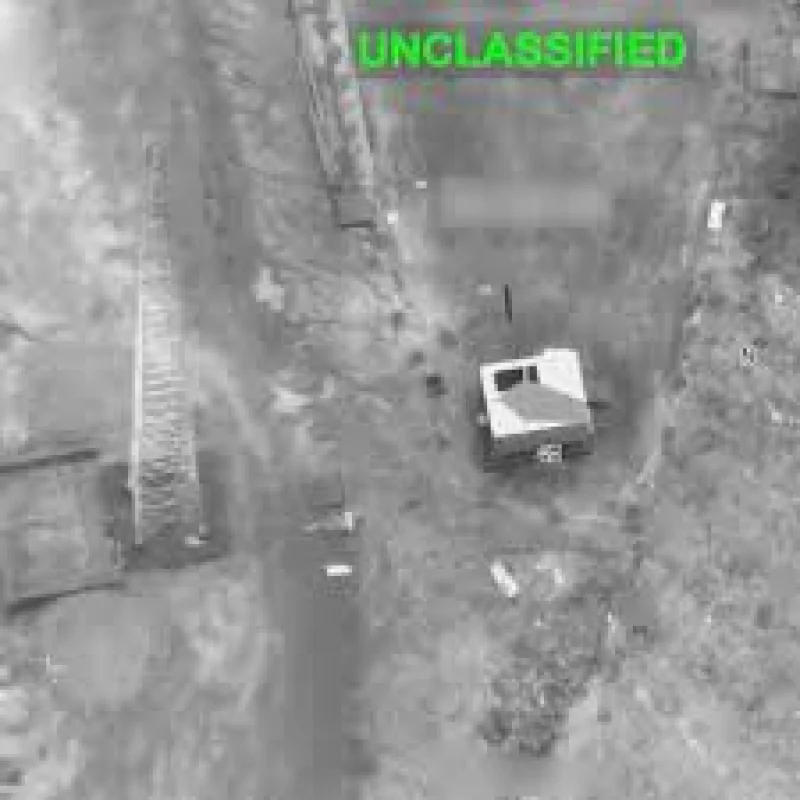
The reporting also offered stark physical details. One missile, IRIB said, crashed through the roof of the room where the party was underway and left a roughly five-foot crater in the floor. Another struck a palm tree in the courtyard before destroying a wall of the home. The description is vivid, but the strike itself has not been independently verified in the material available, and the U.S. military did not immediately confirm or deny the allegations.
U.S. Central Command spokesman Commander Tim Hawkins said the military was aware of the reports and that they originated from Iranian state media. He added that the U.S. military never targets civilians, unlike the IRGC. That clash matters because Iran's Islamic Revolutionary Guard Corps and its central military command were at the same time claiming attacks on at least seven military bases across the region where U.S. forces are or have been based, including Muwaffaq Salti Air Base, where three U.S. soldiers were killed in an Iranian missile strike in July.
The IRGC also claimed to have killed multiple U.S. personnel in a ballistic missile strike on Camp Tabrin, a claim Central Command dismissed. The naming is part of the confusion: Camp Tabrin is described in the material as a claimed target rather than a confirmed U.S. base, while the broader list of alleged attacks stretched to Erbil, Ali Al Salem, Bahrain, Al Dhafra and Al Minhad. The pattern is escalation by accusation, with each side casting the other as the one hitting civilians or hiding behind them.
What matters next is not another round of broad claims, but verification. If the wedding in Hormozgan was struck, the key question is what evidence can be produced beyond the state-media account and the military denials. Until that happens, the story remains what it was when it broke: a deadly allegation, a family saying a daughter’s wedding was hit, and a region where the line between battlefield and home has been getting harder to see.