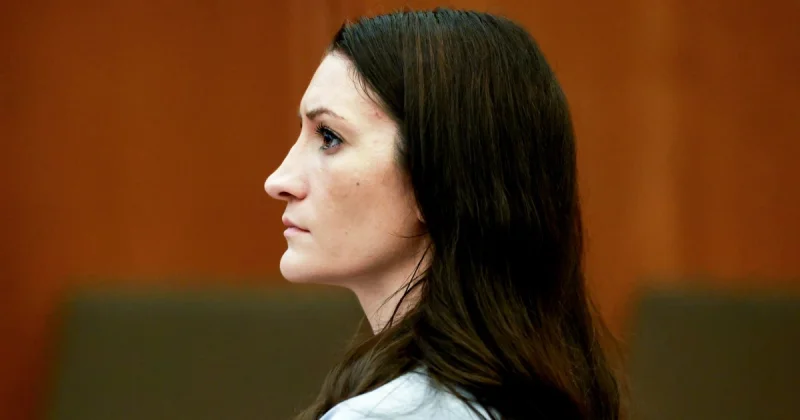
Lindsay Clancy had spent months trying to get help before she killed her three children and tried to take her own life, and jurors heard that arc come into focus on Thursday as closing arguments ended and deliberations began. The case now turns on what her treatment can and cannot explain.
Clancy, 36, is accused of killing Cora, 5, Dawson, 3, and Callan, 8 months old, on Jan. 24, 2023, then throwing herself out her bedroom window in a suicide attempt. Before that day, she saw psychiatrists, called a suicide hotline, went to the emergency room and was turned away from inpatient treatment, a chain of care that her lawyers and outside experts say left her in crisis while providers were still trying to understand her symptoms.
One of the key parts of that lead-up came on Sept. 15, 2022, when Clancy first met Dr. Jennifer Tufts, a psychiatrist at Aster Mental Health, who treated her through January 2023. Tufts testified that Clancy reported anxiety attacks, depressed mood, being unable to feel pleasure, guilt, decreased appetite, racing thoughts and other symptoms, but answered no when asked whether she was hearing voices or having thoughts about harming herself or others. Tufts diagnosed her with generalized anxiety.

Over the next four months, Clancy was put on 13 medications as providers tried to address ongoing symptoms and adverse reactions to the drugs. That detail has become central to the public debate around the case because it shows not a single missed appointment but a long, unsettled effort to find the right treatment before the violence that prosecutors say she planned and carried out after driving her husband from home.
Her defense team says she was in the grips of postpartum psychosis, a rare psychiatric emergency that can alter a new mother’s sense of reality, and told jurors that voices in her head were telling her to kill her children and herself. Prosecutors spent nearly six weeks presenting 70 witnesses in an effort to show the opposite: that she planned the deaths. Those two accounts now sit on the same table in front of the jury, with one side pointing to a catastrophic illness and the other to intent.
The case has also put a harsher question in view: why was Clancy turned away from inpatient treatment after seeking help? Medical providers testified they adjusted her treatment as needed and based on her responses to prescribed medications, but also that they did not always have her full medical record and did not coordinate with one another. Experts said the case lays bare how easily warning signs can be missed when care is split across multiple providers.
For the jury, the immediate task is to decide whether the months of treatment failures point to a medical emergency that was not caught in time, or whether the evidence supports the prosecution’s claim that the killings were planned. For Clancy, the unanswered issue is the one that matters most now: whether the system she turned to before Jan. 24 ever gave her the level of care she needed.