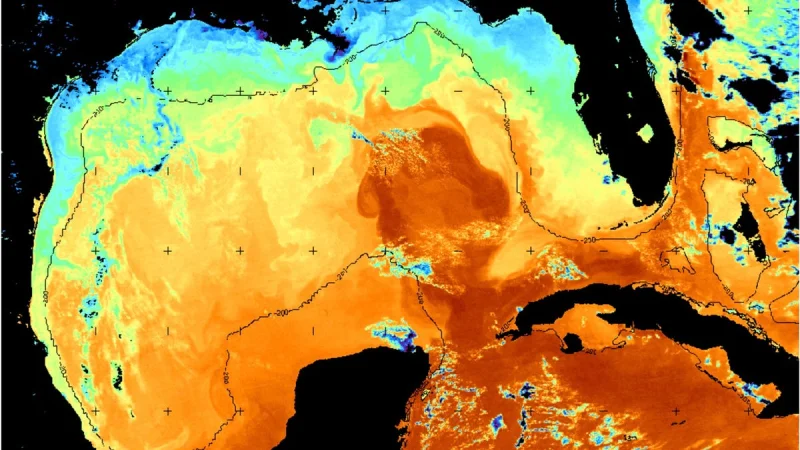
Sea surface temperatures across much of the northern Gulf are running in the mid to upper 80s, and that warmth is helping keep nights along the Gulf Coast unusually warm. Water heats and cools far more slowly than land, so the Gulf can hold onto heat long after sunset and cut into the overnight cooling people normally count on.
This has been a hot August along the Gulf Coast, with average temperatures often running above normal and warm overnight readings offering little relief before the heat builds again the next day. Along the immediate coast, the Gulf can still keep communities several degrees cooler than places farther inland during the afternoon, but it also leaves those same coastal areas with warmer lows once the sun goes down.

That pattern matters because the warmest water now sits in a broad swath of the northern Gulf, where surface temperatures are in the mid to upper 80s and much of the water is warmer than normal for this point in August. The steady ocean heat is not just a comfort issue. Persistent warmth can stress marine life below the surface, and warmer water holds less dissolved oxygen, forcing fish and other mobile species to search for cooler water while corals face prolonged heat stress that can lead to bleaching.
There is another reason forecasters and coastal residents are watching closely as the Atlantic hurricane season moves toward its climatological peak. Tropical systems draw heat and moisture from warm ocean water, and unusually warm sea surface temperatures can give a developing storm extra energy. But warm water by itself does not mean a tropical storm or hurricane will form or strengthen. Wind shear, atmospheric moisture, the structure of a disturbance and other conditions all still have to line up.
That is why the question now is not whether the Gulf is warm enough to matter. It already is. The question is how long this stretch of heat will last and whether any tropical system will find the rest of the ingredients it needs while that ocean heat is sitting there waiting to be tapped.