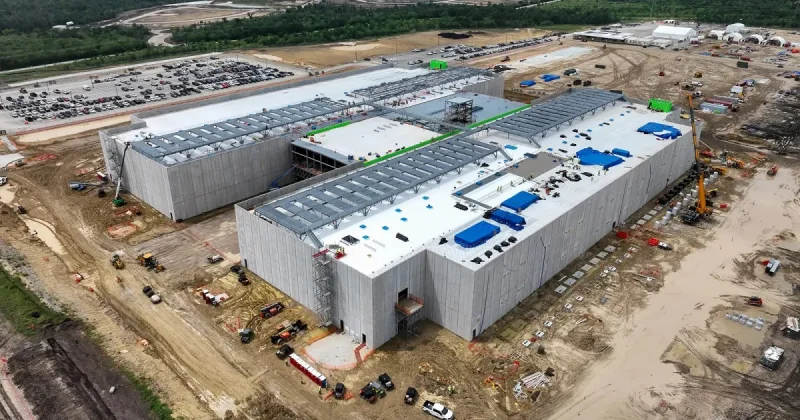
The Trump administration has proposed an EPA air pollution permit rule change that would strip away the requirement for datacenters to publicly report air pollution from permit applications. If finalized, disclosure would become voluntary, left to the discretion of state and some local officials.
The move comes as the EPA has just closed the public comment period, pushing the proposal closer to a final decision. That makes the timing important for communities near datacenters, because this is the point at which a draft rule can become binding or disappear under criticism.
Joe Goffman, who co-authored comments on the proposal for the Environmental Protection Network, said the change is likely meant to limit criticism and public oversight of datacenters. His warning lands in a moment when demand for new facilities is rising fast, and when the information that lets neighbors see what is coming can shape whether a project meets resistance before construction begins.

Under the Clean Air Act, minor air polluters must disclose to the public through state agencies how much pollution a proposed project will release. That system is supposed to cover facilities that may seem small on paper but still rely on dozens of diesel generators or gas turbines for power or backup generation. Those permit applications can be broken into pieces by developers, which can make the pollution footprint look smaller than it is.
Datacenters often emit nitrogen oxide, carbon monoxide and heavy metals, and nitrogen oxide helps form ozone. Minor pollution permits are meant to ensure facilities follow federal limits on six pollutants linked to asthma, heart disease and cancer. The EPA delegates monitoring of minor pollution sources to state authorities, which is why the proposal matters beyond Washington: it would shift one of the clearest public checkpoints from a required notice to a choice.
That is where the legal friction sits. The Trump administration is pushing voluntary disclosure in a system that was built around public notification, and the two are hard to reconcile. Goffman said the promise of disclosure was supposed to be “an ironclad promise,” adding, “You all may have thought this was an ironclad promise, but it no longer is.”
The broader backdrop is a national surge in datacenters tied to the artificial intelligence boom, and the stakes are not theoretical. Last year, detailed how environmental law groups sued the state of Michigan and some polluters who appeared to be violating federal limits. If the rule is finalized, the next fight is likely to move from comments to court, where the question will be whether the administration can turn a public-notice requirement into a voluntary system without running into the Clean Air Act.