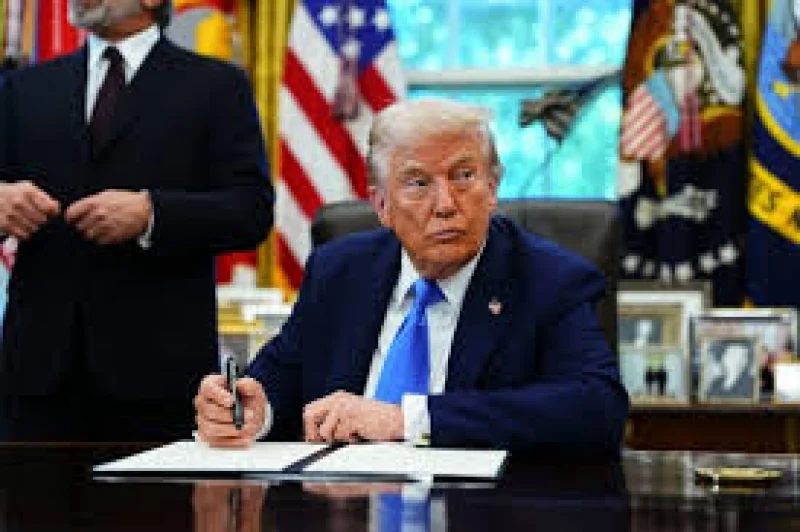
The Trump administration on Monday proposed a $103,265 fee for H-1B petitions subject to the annual cap, a new charge that would reach workers hired within the US and be added on top of other H-1B costs.
The draft rule marks a sharp turn from last year’s $100,000 entry fee proclamation, which applied to new hires arriving from outside the US. A federal judge in Boston vacated that fee after finding it was an unlawful tax without approval from Congress, and the US Court of Appeals for the First Circuit later denied the administration’s emergency bid to put the ruling on hold.
That legal loss matters because the new proposal goes after a broader group. It would cover all cap-subject H-1B petitions, including those for workers with master’s degrees, and it would spare universities, hospitals and research-based institutions that were swept up under the earlier proclamation. The H-1B program is limited to 85,000 visas a year, including 20,000 reserved for advance degree holders, and it remains a key route for employers in technology and engineering.
The fee is also built to produce money at scale. US Department of Homeland Security said it would help cover the costs of overseeing the immigration system across DHS and the departments of Labor, State and Justice, including adjudication of benefits, fraud detection, national security vetting and systems modernization. USCIS and the Executive Office for Immigration Review would receive two-thirds of the revenue, and DHS projects the payments would bring in $8.8 billion a year.
USCIS spokesperson Zach Kahler said the proposal is intended to recover costs incurred across the federal government to adjudicate, vet and support lawful immigration programs that otherwise would be paid by taxpayers. But the size of the fee has already drawn criticism from employers that use the program to fill specialized jobs. Neil Bradley, of The US Chamber of Commerce, said the new charge would make it cost-prohibitive for even more U.S. employers, especially the thousands of start-ups and small and midsize businesses that rely on H-1Bs, and said the program helps companies expand, innovate and create jobs across their operations.
The question now is whether the administration can turn a court-blocked entry fee into a cap-based charge that survives the same kind of challenge. The draft rule has been proposed, not finalized, and the last version collided with a judge’s ruling that the government had tried to levy a tax Congress never authorized.