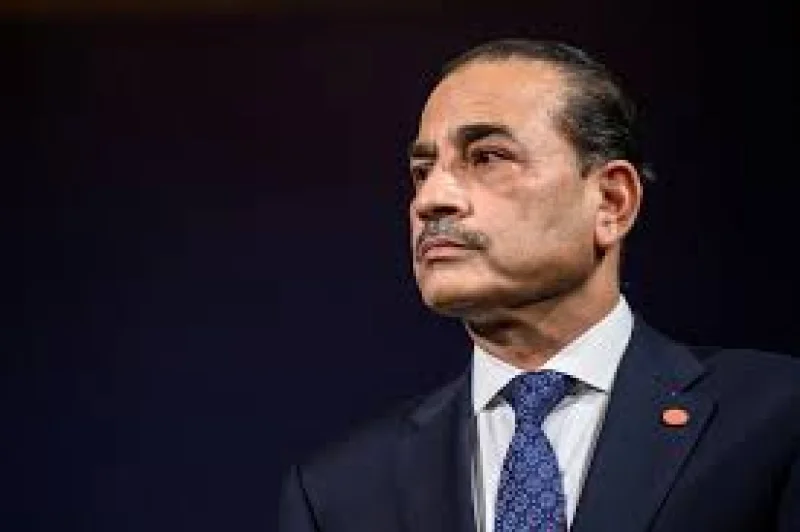
Iranian officials confirmed that Pakistani Army Chief Asim Munir will meet them on Monday, placing the chief at the center of a widening confrontation as President Donald Trump tightens sanctions on Iran. The timing is the point: the meeting lands just as Washington is turning up the pressure again.
The reason the chief is drawing attention now is the scale of the campaign around him. Trump warned that Washington would launch the “most crushing economic operation ever taken against any country” against Iran, and Treasury Secretary Scott Bessent said the United States was moving into an endgame that would leave the Islamic Republic in “total financial isolation.”
Bessent wrote in the Financial Times that the next phase would target countries and entities that buy or transport Iranian oil, facilitate financial transactions, host Iranian flights, maintain ship registries or enable ship-to-ship fuel transfers. In plain terms, that means the squeeze is not limited to Tehran itself. It is meant to reach the people and systems that still let Iranian crude move and money clear.

The pressure was already visible in markets on Monday. Brent crude futures fell 94 cents, or 1%, to $93.45 a barrel by 2308 GMT, while U.S. West Texas Intermediate crude dropped 92 cents, or 1.06%, to $86.14 a barrel ahead of an expected U.S. announcement of additional sanctions on Iran.
That backdrop makes the Monday meeting more than a diplomatic calendar note. Iranian officials have not said what they expect from Munir, and Pakistan has not publicly set out a goal for the talks, but the conversation is landing while Washington is trying to narrow Tehran’s room to maneuver on trade, transport and finance. Bessent was set to hold a news conference Monday afternoon, which could add another layer to the pressure campaign.
The wider picture is just as crowded. U.S.-mediated talks between Syria and Israel were held in Jordan on Sunday, with Syrian Foreign Minister Asaad al-Shaibani leading Damascus’ delegation. On the same day, U.S. Central Command said its forces redirected 70 ships and disabled three others amid the ongoing blockade of Iranian ports. Munir’s meeting now sits inside a regional week defined by sanctions, shipping disruption and diplomacy that is moving at the same pace as the pressure campaign.