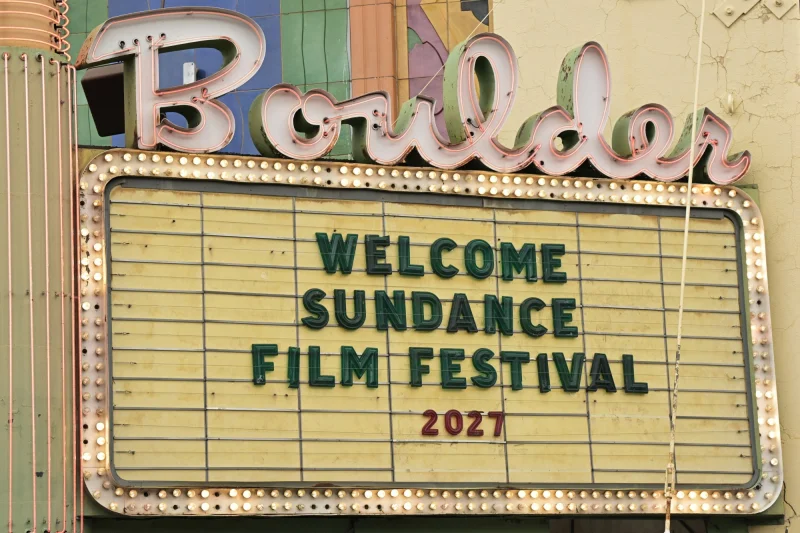
Sundance.org has published a feature naming 11 Sundance Film Festival titles that helped define the 1990s, a list that treats the decade’s independent movies as more than festival memories. The feature frames those premieres as cultural markers, linking them to the style, music and look of the era that followed.
The attention lands now because the 1990s are once again being sorted through as a style story as much as a movie story, and Sundance is drawing a direct line between its own history and that nostalgia. The list includes Clerks, which premiered at the 1994 Sundance Film Festival and won the Filmmaker Trophy Dramatic, and Hav Plenty, which premiered at the 1998 Sundance Film Festival. Kevin Smith shot Clerks entirely on black-and-white 16mm film for less than $30,000, largely at the convenience store where he actually worked, with Brian O’Halloran and Jeff Anderson playing Dante and Randal. That low-budget setup sits beside the feature’s polished cultural framing, and it is part of why the film still reads like a snapshot of how independent filmmaking looked before the decade was over.

Hav Plenty adds a different kind of 1990s time capsule. Written and directed by Christopher Scott Cherot, who also starred as Lee Plenty, the film paired him with Chenoa Maxwell as Havilland Savage and folded in cameos from Nia Long, Shemar Moore, Mekhi Phifer, Lauryn Hill and TLC’s Chilli. Its soundtrack reaches just as far across the decade, with Babyface, Teddy Riley, Faith Evans, SWV and Erykah Badu all part of the mix. The feature’s point is not just that these films premiered at Sundance, but that they carried the decade’s fashion, sound and visual identity with them when they arrived.
House Party, which premiered at the 1990 Sundance Film Festival, won the Filmmaker Trophy Dramatic and the Excellence in Cinematography Award: Dramatic, and the feature says the high-top fades alone would earn it a place on any quintessential 1990s watchlist. What remains unresolved is the rest of the 11-title list: Sundance has named the films that fit its argument about the decade, but it has not yet laid out the other eight in the feature.