South Korea’s Pro Footballers Association called on the K League on August 2 to overhaul the domestic season and move away from playing through the hottest months of the year. The push, made under the CNA keyword now drawing searches, centers on a simple demand: if the weather keeps turning summer football into a safety problem, the calendar has to change.
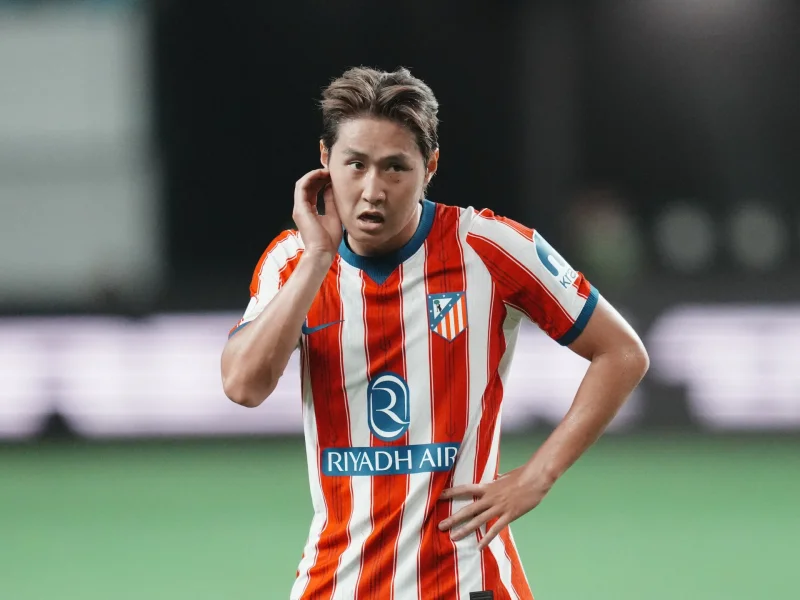
Lee Keun-ho said players would benefit from a winter break because it could help them avoid injuries and keep better physical form than continuing through multiple competitions under the scorching summer sun. He also urged the league to install more heating devices at stadiums and use hybrid grass, arguing that the fixes would help over the long haul rather than patch over one bad month after another.
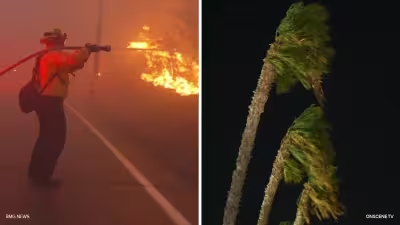
The pressure is not coming out of nowhere. On August 2, Yangsan recorded 42.5 degrees Celsius, or 108.5 Fahrenheit, and the Korean baseball league was suspended for a week because of the extreme heat. South Korea’s 2026 K League season began on February 28 and is due to finish on December 6, a timetable that leaves players exposed to the worst stretch of summer while the league is still trying to finish its calendar year.
The players’ association said a move to the Fall-Spring schedule would bring Asia’s oldest professional football league in line with Japan’s J League, the Asian Football Confederation’s Champions League Elite and most of Europe. South Korean media also published the results of an emergency player survey on heatwave match operations, adding to the pressure for stricter heat-response standards across the professional men’s and women’s leagues.
That survey covered 536 players and found that 86.2% said the heatwave placed a physical burden on them. Dizziness was the most common symptom, reported by 64.7% of players, while 56.6% reported dehydration and 32.2% reported headaches. Temporary loss of consciousness was reported by 13%, and nausea by 12.2%, numbers that make the argument for a safer schedule harder to dismiss.
Still, the calendar change is not a clean fix. South Korea’s winter remains the biggest obstacle, with subzero temperatures and snowfall common from December to February, which is why Lee suggested the league could absorb the shift with a competition pause during the coldest months. Nearly half of the players, 48.4%, said current cooling breaks were enough to protect them, while only 15.3% said the current policies were sufficient, showing that even among players the debate is about how far the league should go, not whether the heat is real.
The next test is whether the K League treats the demand as a warning or a blueprint. Seoul’s streak of 17 tropical nights ended on Monday, but the numbers behind the survey and the record heat in Yangsan leave little doubt that South Korean football is being asked to choose between the present schedule and a safer one.