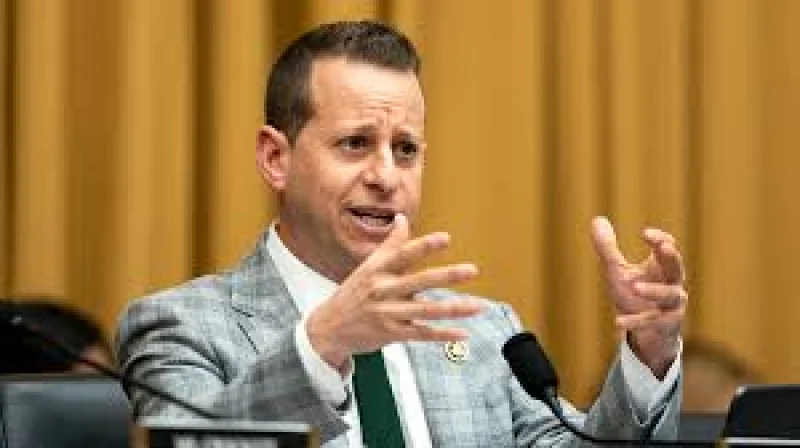
Jared Moskowitz survived a DSA-backed challenge in Florida’s closed primary, a result that reinforced how little room there is for the brand of progressive liberalism that can travel in Minnesota, Michigan and New York. In a state that has moved hard to the right, the fight over a toss-up House seat became a test of whether Democrats can still win by running left.
The answer, at least in Florida, appears to be no. The state’s closed primaries mean only voters who have declared a party can pick nominees, and analysts have said that matters in a place where moderate Democrats are more in step with the electorate than progressive activists are. That dynamic made Moskowitz’s race more than a local contest; it became another sign of what kind of Democrat can clear the first hurdle in Florida.
The race also fit a broader pattern already visible in the state’s other major contests. Moderate Democratic candidates Alex Vindman and David Jolly have been heavily favored in November’s Senate and governor’s races, while the Republican side has moved to define them as radicals anyway. Vindman, a retired Army lieutenant colonel and impeachment witness against Trump during Trump’s first term, has presented himself as a different kind of Democrat with a concealed carry permit and said his campaign is focused entirely on Ashley Moody. Jolly, who became a Democrat last year after previously serving as a Republican congressman, has tried to occupy the same middle lane.

That is where the sharpest friction sits. Jolly has been attacked as a radical liberal even as he says he has no plans to try to reverse Republican DeSantis’s ban on transgender girls and women athletes playing on female teams at public schools and universities. Last week, he told the, “I don’t think we should have biologically born men playing in competitive sports.” Yet Byron Donalds painted him in attack ads on Florida television as a fervent supporter of the transgender community, the kind of charge meant to pull a moderate into a culture fight he is trying to avoid.
Florida’s politics still reward that kind of triangulation. The state was once a swing state, but it has become reliably red, and that has left moderate Democrats with the clearest path in its primaries even when they are running in a tense national atmosphere. Vindman has said he feels a huge amount of support and a new hope for balanced politics in the state, while polling has shown him clear of Angie Nixon in the Democratic primary. Donalds, meanwhile, remains the clear favorite for the Republican nomination for governor.
For Moskowitz, the broader lesson is already plain: in Florida, a progressive label can be a liability before the general election ever begins. The unanswered question is not whether Democrats can talk like activists in the state, but whether they can still win by sounding like the voters they need to persuade next.