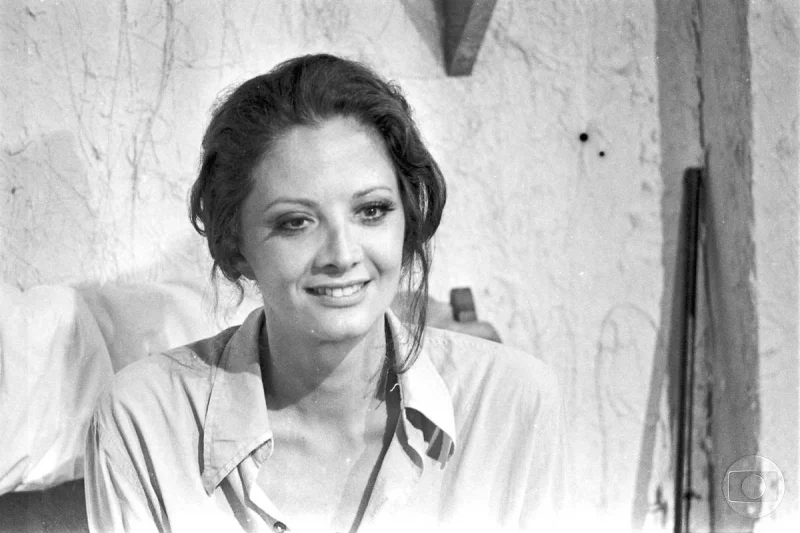
Glória Menezes died on Tuesday at age 91 in her apartment in Rio de Janeiro, ending one of the longest and most familiar careers in Brazilian drama. Her press office said the death was from natural causes.
Born Nilcedes Soares de Magalhães in Pelotas on 19 October 1934, she built a career that stretched across more than six decades, first on stage and later on television and in film. Her name became tied to the rise of TV Globo after her 1967 debut in Sangue e Areia, where she played Doña Sol opposite Tarcísio Meira, the partner she would marry for almost six decades.

That reach is part of why her death lands so hard now. Menezes appeared in more than 40 novelas and worked in titles that helped define generations of Brazilian television, from O Pagador de Promessas to Irmãos Coragem, O Homem que Deve Morrer, Cavalo de Aço, Pai Herói, Guerra dos Sexos, Brega & Chique, Rainha da Sucata, Deus nos Acuda, A Próxima Vítima, Torre de Babel, Senhora do Destino, A Favorita and Totalmente Demais.
But the span of her fame also carries a quieter fact: her last television work was in 2015, which means much of the audience that grew up with her had already seen her leave the screen before Tuesday’s news. She remained a reference, though, not only for the work itself but for the rare longevity of the pair she formed with Meira and the steady presence she kept in Brazilian popular culture.
Her legacy is now fixed in the record: a theater actress who moved into television and film, a performer with more than 40 novelas behind her, and a public figure whose name remained known long after her last appearance. What is left open is not what she meant to Brazilian drama, but how completely that history will now be reassessed without her in it.