Liver injury reports to US poison centers climbed sharply between 2000 and 2024, rising from about 11 cases per million people to nearly 53 per million. Researchers reviewed more than 220,000 cases over that span, and acetaminophen was the medication most often involved.
The scale of the problem is not small. More than 80% of the liver injury cases required hospitalization, showing that many of the reports were serious enough to need inpatient care rather than simple observation. Medications were behind 85% of the cases among men and 94% among women, and acetaminophen was involved in about a third of the cases among men and nearly half among women.

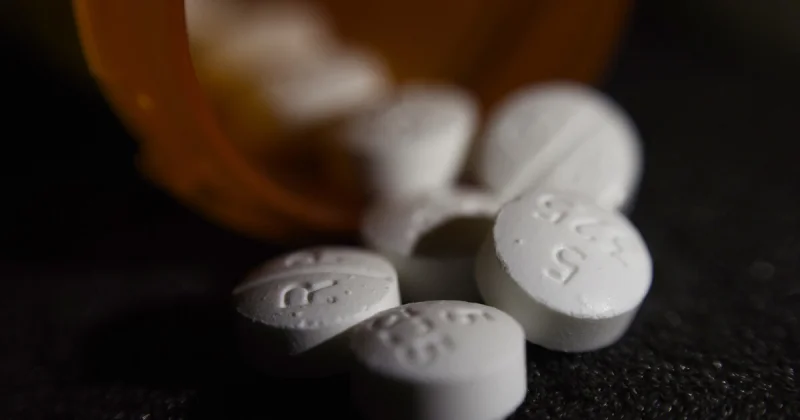
That finding lands with unusual force because acetaminophen is widely regarded as safe and effective when it is taken as directed. It is the active ingredient in Tylenol and appears in hundreds of medications, which means people can take it more than once without realizing they are doubling up. Too much acetaminophen can cause liver failure that may require a transplant, and about half of all sudden liver failure cases in the US are linked to it.
Alcohol was a contributor, but it trailed far behind acetaminophen. Other causes included stimulants, street drugs, supplements and environmental toxins. The pattern points to a broad medication-safety problem, not a single type of exposure, but the name that comes up most often is the one many people assume is the least dangerous.
People with existing liver disease and people who drink more than moderate amounts of alcohol are at greater risk, which helps explain why the same drug can be routine for many users and dangerous for others. The practical warning is simple: read labels carefully and avoid duplicate acetaminophen dosing. What the numbers do not explain is why poison-center liver injury reports rose so steeply over the past 25 years, and that gap leaves the bigger question focused on how many of these cases could be prevented before they reach a hospital.