The WNBA said Monday that its security staff improperly forced a mother and her teenage daughter to cover the shirts they wore to Sunday’s Indiana Fever and Atlanta Dream game. The league also said the fans should not have been asked to do it.
That is why the WNBA security fan interaction is being searched now: the league publicly acknowledged that something went wrong in the middle of a game that drew paid spectators and ended with the Indiana Fever beating the Atlanta Dream 95-91. The fans at the center of it were Kasey Thomason and her 17-year-old daughter, Annie, who said they were sitting courtside in XX-XY Athletics shirts.
Thomason said the pair wore the shirts for four quarters without issue before security confronted them in overtime after another fan complained. She said they were told to cover up with Dream shirts or be tossed, turning what had been a routine night into a direct argument over what a fan can wear inside the arena. In a brief statement, a WNBA spokesperson said the league was aware of interactions at last night’s game in Atlanta in which fans were asked by league security to cover their shirts, and added: “This should not have happened.”
The Atlanta Dream drew a line between its own staff and the decision. The team said it believes in creating a safe and inclusive environment for everyone, said WNBA security took actions that fell short of that standard, and said Dream personnel were not involved in the decisions made by WNBA security. That matters because it leaves the intervention with the league itself, not the home team, even though the exchange unfolded during a Dream game in Atlanta.
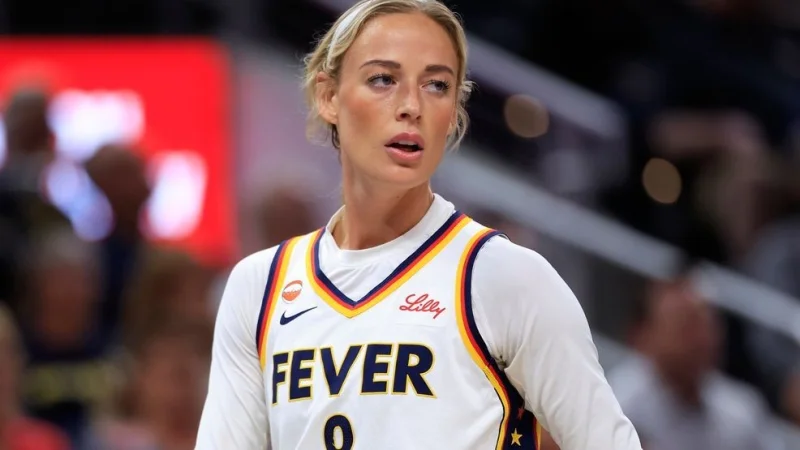
The shirts had a point beyond the logo. They were supporting women’s sports and backing Fever guard Sophie Cunningham, and they have also become part of a wider WNBA dispute over biology, inclusion and who sets the rules for fan expression. Caitlin Clark has already helped push the league into a far bigger spotlight, with more ratings, sellouts and attention, and that means small arena clashes now land as league-level issues. The unresolved piece is simple: the WNBA has said the fans should not have been asked to cover their shirts, but it has not said what specific complaint prompted security to act in the first place.
For Thomason, the moment is now bigger than an overtime exchange. Her account, and the league’s admission, leave one hard question hanging over Monday: if security got it wrong once fans were already in their seats, what guardrails are in place the next time a complaint reaches the floor?