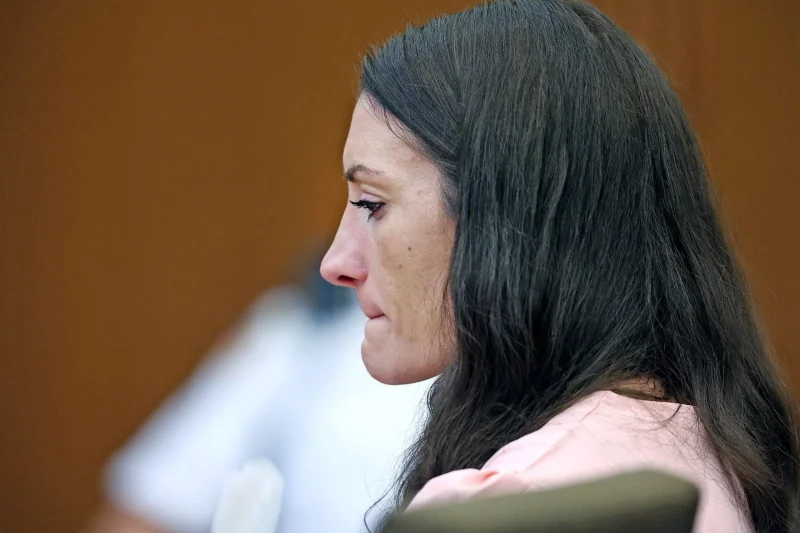
Rebecca Jollotta told the court that Lindsay Clancy was desperate for help in the weeks before she killed her three children, a portrait that pushed the Clancy Case deeper into a fight over mental state and criminal responsibility. Jollotta said Clancy wrote in early December 2022 that she really needed help, was willing to try anything and felt numb while dealing with intrusive thoughts.
The testimony mattered because jurors in Plymouth Superior Court are weighing two sharply different explanations for what happened in January 2023. Prosecutors say Clancy acted intentionally and should be held criminally responsible. Her defense says she was suffering from postpartum psychosis and was not seeing reality clearly when she admitted to killing the children at the family’s Duxbury home. Clancy has also said she repeatedly believed her depression symptoms were tied to the medication she was taking, feared becoming dependent on some drugs and often took medicines for less time than prescribed.

Jollotta, a psychiatric nurse practitioner who treated Clancy at South Shore Health in the months before the killings, said she saw a patient who was trying to get better but was struggling with worsening symptoms. In early December, Clancy’s messages were stark: she said she really needed help and was open to trying anything. That was the kind of language Jollotta said she saw from someone in distress, not someone making casual complaints. The nurse practitioner also testified that during an appointment with Clancy and Patrick Clancy, she suggested that Clancy may have an underlying bipolar disorder.
That diagnosis was not accepted by Patrick Clancy, and the disagreement sits at the center of the case’s larger medical fight. Both Lindsay Clancy and Patrick Clancy have filed medical malpractice lawsuits against Jollotta and others involved in her postpartum psychiatric care, turning the trial testimony into more than a look backward. It is also now evidence in a separate dispute over whether her treatment should have led clinicians toward a different diagnosis or a different course of care.
There is still one major gap in the record. Jollotta said she did not have access to Clancy’s medical records after Clancy was admitted to McLean Hospital in early January 2023, which leaves the jury with an incomplete picture of what happened during that later hospitalization. Kevin Reddington ended his cross-examination shortly before 3:30 p.m., and the prosecution was set to continue its questioning. What the jurors are left to sort out is whether the messages, symptoms and disputed diagnosis show a mental illness that overwhelmed Clancy’s thinking, or whether the state still has the stronger case that the killings were intentional and criminally responsible.