


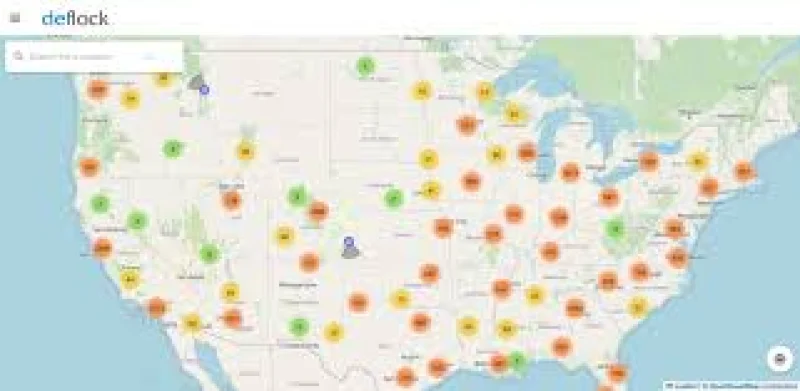
Flock Safety CEO Garrett Langley went on Fox & Friends to defend the company’s automated license plate reading cameras as public backlash grew around the network. He used the appearance to push back on criticism that the cameras track vehicles and pry too far into daily movement.
That defense landed now because the cameras have become a live public fight, not just a product pitch. Critics say the system raises privacy concerns because it tracks vehicles, while Langley says the technology helped solve more than 1 million crimes last year. That is the number he wants people to weigh against the fear that the same network can be turned into a tool for watching where drivers go.

Flock Safety’s pitch is straightforward: the cameras record license plates so law enforcement can use the data to help solve crimes. The backlash is just as direct: if a network is built to follow cars, privacy advocates argue, it can also build a picture of a person’s movements even when that person has done nothing wrong. That clash is why the debate keeps widening beyond one company and into the larger question of how much tracking the public will accept in the name of safety. For a deeper look at how the criticism has spread, see the reporting on Flock Safety backlash grows in Massachusetts as towns cut ties and the earlier explanation of what the system can do in Flock Safety cameras go far beyond plates, and that is the point.
Langley’s appearance did not settle that dispute, and it was not meant to. It sharpened the divide instead: one side sees a crime-solving network with a measurable record, the other sees a camera web built around vehicle tracking. The next question is whether that 1 million-crime claim is enough to blunt the privacy backlash, or whether the criticism keeps spreading as more people look more closely at how the system works.
