


SpaceX and Terafab representatives told Grimes County residents on Wednesday that the JETI agreements for the proposed Terafab chip facility are done and active, setting the project on a faster path toward construction. Riley Trennell said the company is now ready to move nearly immediately into civil work and foundations.
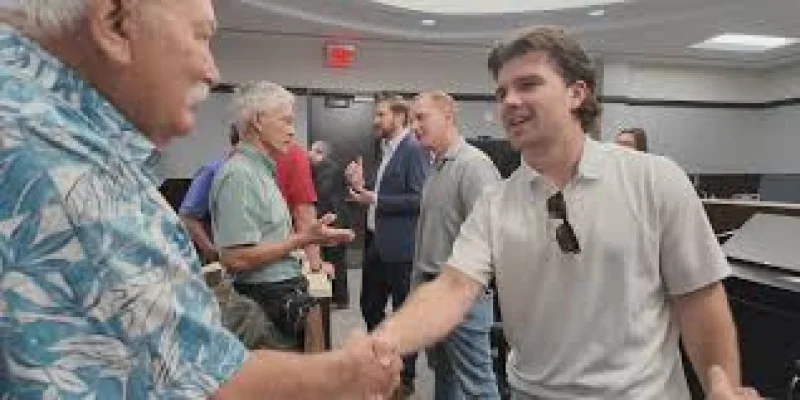
The update matters because the project had been drawing questions for months, and the meeting in the Grimes County Commissioners Court room in Anderson, Texas, turned those questions into a public timeline. Trennell said renderings of the facility could be released within days and construction could begin within months, giving residents a first clear sign that the plan is moving beyond talk.
SpaceX is committing to 3,000 permanent jobs at Terafab in phase one, along with thousands of construction jobs during the build-out. Trennell said the hiring would run from food service and janitorial work to security and advanced semiconductor fabrication engineering, a spread that shows how large the project would be even before the first phase is complete. In practical terms, phase one means the plant’s initial operating stage, before any later expansion, and those 3,000 permanent jobs are only part of the larger build-out that would follow.

The JETI agreements are not a private handoff between one company and one county office. Both local school districts, SpaceX and the Governor have officially signed them, which is why the project is now marked active. That status gives the proposal a different weight in Grimes County and the broader Texas labor market, where a project of this size would reach far beyond the site itself.
Still, the rollout has moved faster than the public’s view of the plant itself. Residents had been asking questions for months, yet the project was presented as effectively moving ahead before the facility renderings were even released. That gap left some of the room hearing about foundations, civil work and near-term construction before seeing what Terafab is expected to look like.
Trennell also argued that the Gibbons Creek Reservoir site is the best solution SpaceX has found. He pointed to the Texas Triangle, said 7.2 million people live less than an hour away and 15.9 million live within three hours, and cited access to Houston’s labor force, fuel for power generation and water storage capacity as reasons for the choice. Jordan Buss framed the project in even broader terms, calling Terafab strategically vital for the United States and for Western civilization and saying the country is growing more reliant on foreign-made chips. He linked that dependence to the shortages seen during COVID and described the plant as a chance to rebuild a domestic semiconductor supply chain.
The next test is not whether SpaceX wants to move forward. It is whether the active JETI agreements, the soon-to-be-released renderings and the coming construction schedule can answer the questions residents have been pressing since the project first landed in front of them.
