


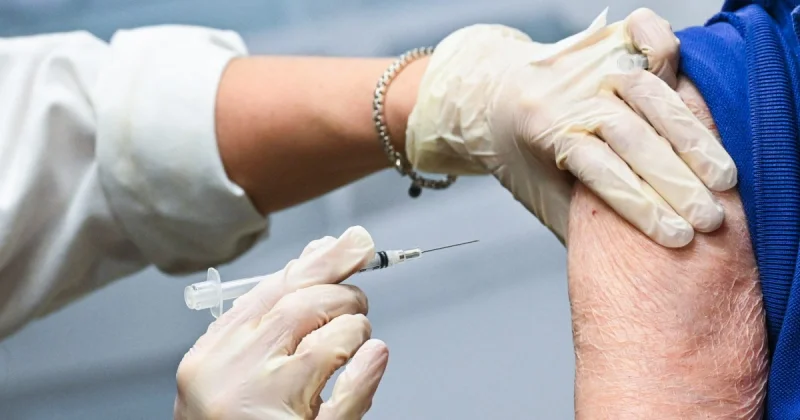
The Food and Drug Administration approved Moderna's mFlusiva on Wednesday, making it the first flu shot in the U.S. to use mRNA technology. The vaccine is cleared for adults 50 to 65 and adults 65 and up, with the older group subject to an additional clinical trial.
The decision gives Moderna a long-sought entry into a market that still relies on conventional flu shots, even as the company says mFlusiva could be ready for this fall's flu season. In late-stage testing, the shot was about 27% more effective than a standard flu vaccine, a result that helps explain why the approval landed with so much attention.
For Dr. Ofer Levy, the timing matters because the flu strain has to be picked months before the shot reaches patients. “If you’re choosing the strain half a year before, how good can we be at sharpshooting?” he said. Moderna says its mRNA process takes two to three months from strain selection to rollout, compared with about six months for traditional flu shots. That faster turnaround is the main promise behind the platform: a better chance to match the virus that is actually circulating when flu season starts.

The stakes are not small. The flu sends hundreds of thousands of people to the hospital every year and can cause tens of thousands of deaths. Traditional flu shots have ranged from 22% to 56% effectiveness, which helps explain why a vaccine built on a different platform has drawn so much interest from scientists and public health experts.
The approval also came after a year of unusual resistance. The Food and Drug Administration initially refused to review Moderna's application before reversing course a week later, and Robert F. Kennedy Jr. has repeatedly attacked mRNA technology, calling it “the deadliest vaccine ever made.” Still, in June, the agency's independent vaccine advisory committee unanimously recommended approval after reviewing a late-stage trial of more than 40,000 older adults across 11 countries, including the U.S.
That trial found the mRNA flu vaccine caused more side effects such as injection-site pain, fatigue and headaches, but they were still mild to moderate. Moderna also has another hurdle to clear in the older age group: it must run an additional clinical trial there before that approval is fully settled. The company says mFlusiva will be available this fall, and the result is a new flu-vaccine option that could matter most if the faster manufacturing promise holds up when the next strain is chosen.
