


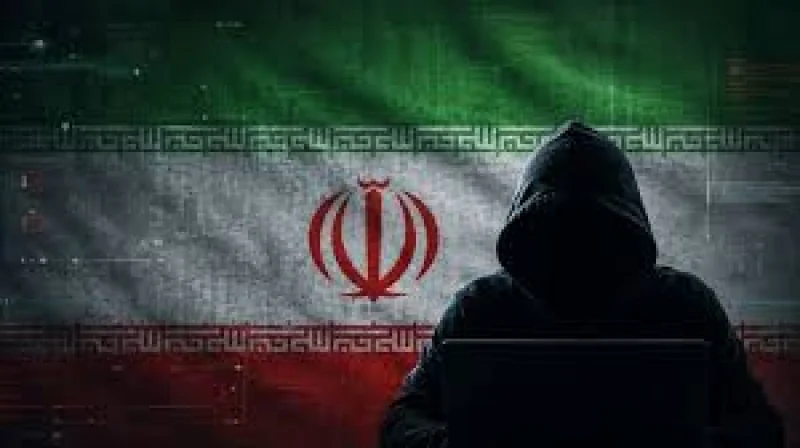
Rep. Mike Turner said on Sunday that critical infrastructure assets need to be hardened as federal investigators probe whether Iranian hackers were behind malicious cyber activity that hit water-system technology in Minnesota and several other U.S. states last week.
The issue is moving fast because the cyber activity was reported last week, at least seven states have now reported it, and some utilities were forced to switch to manual operations. Turner, speaking on Face the Nation with Margaret Brennan, said the target set was not abstract. Water systems are part of the machinery that keeps daily life moving, and once software or controls are disrupted, the backup can mean people doing the job by hand.

That is why the investigation has drawn so much attention. U.S. officials and sources familiar with the incident told CBS News that investigators are looking into whether the activity was the work of Iranian hackers. The suspected link matters because, more than a decade ago and continuing through the present, Iranian state-sponsored hackers have been accused of carrying out cyberattacks on U.S. companies, government agencies and infrastructure. Turner, who previously chaired the House Intelligence Committee, said Iran has attacked U.S. critical infrastructure before and argued that Russia, China, North Korea and Iran all view critical infrastructure that supports civilian needs, such as water, as valid military targets.
He also said Congress has not been informed about the incidents, a gap that leaves lawmakers reacting to fragments while investigators work. Turner said these are things that U.S. actors would not do and that Iran has been doing this well before the current conflict, adding that the United States should expect that pattern to continue if it was already underway. President Trump, by contrast, said on Sunday that he did not think the Iranians were behind the attack and blamed Minnesota instead, calling the state's leadership grossly incompetent without offering evidence.
For now, the unanswered question is the one that matters most: whether the cyber activity was in fact tied to Iranian hackers, or whether investigators are chasing the wrong trail while water systems in at least seven states keep operating under a new level of suspicion.
