


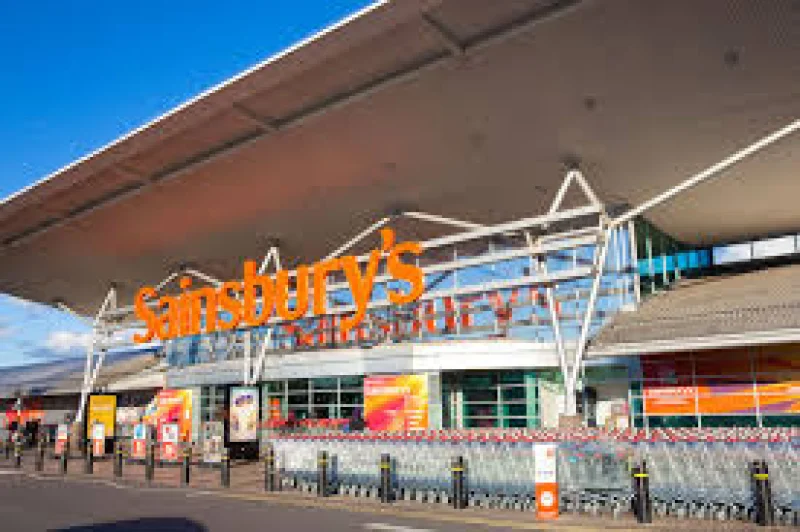
John Healey warned big retailers on Sunday that ministers are watching closely for signs of profiteering as the Iran war pushes up prices and leaves households facing more pressure at the till and the pump.
The warning matters now because the cost shock is no longer abstract. The Bank of England kept UK interest rates on hold last week and said a further escalation could push inflation above 4% next year, while EY warned the economy could tip into recession if the Strait of Hormuz stays shut into 2027. Healey said the government was standing by to prevent the public from being “taken for a ride at the pump or the till,” even as he added there was “no significant evidence of so-called price gouging” so far.
Healey set out the stakes in the Sunday Telegraph, saying the conflict affects national security, UK bases, personnel and allies in the Middle East. He added that it also threatens economic security, hitting the family finances of millions of British people and pushing up costs for businesses and governments alike. The backdrop is a trade route that normally carries a fifth of the world’s oil and gas, which is why any longer disruption can feed through quickly into fuel and food prices.

That is also why the row is heading back toward supermarket pricing. Earlier this year, Rachel Reeves raised the prospect of a cap on food prices to limit inflation caused by the Middle East conflict, prompting Stuart Machin to call the plans “completely preposterous”. On Sunday, the British Retail Consortium argued the new chancellor should look instead at the effect of tax increases, including employers’ national insurance and business rates, on inflation.
Retailers say the market is already doing much of the work the government wants. Andrew Opie said supermarkets operate in a highly competitive environment and deliver the most affordable food in western Europe, adding that the CMA has repeatedly found fierce competition between retailers, not government action, has kept food prices as low as possible. The government has not said what it would do if it decides profiteering is happening, and that is the gap now hanging over the warning: ministers are watching, but the next move has not been drawn.
EY’s numbers show how narrow the room for error is. If the conflict is not resolved and the Strait of Hormuz remains shut until early or mid-2027, GDP could slow sharply to 0.5% this year and contract by 0.2% next year. If the strait reopens by the end of the third quarter of this year, EY’s base case is 0.9% growth in 2026 and 1.2% growth in 2027. That is the difference between a squeeze that fades and one that drags the UK economy into a slump.
