


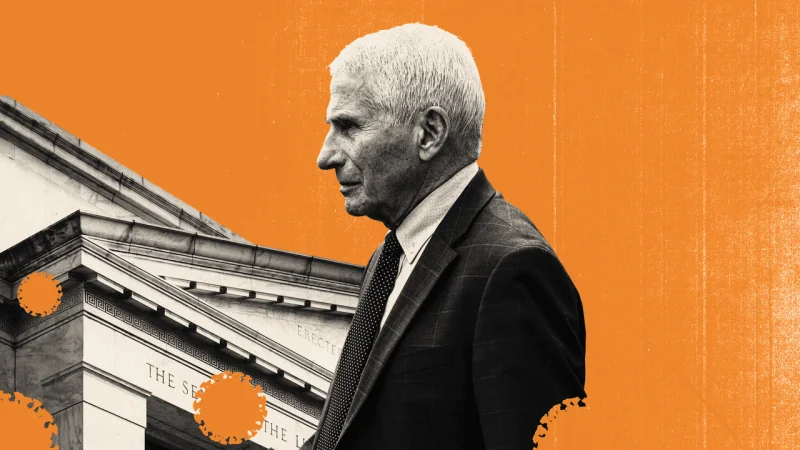
Anthony Fauci spent three hours last week refusing to answer Senate committee questions, repeating the same Fifth Amendment line dozens of times as lawmakers pressed him over a diary entry and the origins of COVID-19. At 85 years old, the former NIAID chief turned what might have been a routine appearance into a stark legal standoff.
About an hour into the hearing, Senator Ron Johnson zeroed in on a passage from Fauci’s personal diary about the early days of the coronavirus pandemic and asked, “Did you literally lie to your own diary?” Fauci answered with the same statement he would use again and again: “On the advice of counsel, I respectfully decline to answer, based upon my rights under the Fifth Amendment to the Constitution.”
The hearing drew its force from a larger fight that has followed Fauci since the pandemic: what caused COVID-19, and what he knew when he spoke publicly about it. Fauci has said he favored a natural jump from bats to humans, probably through another species, while another theory places the origin in a lab leak, most likely from the Wuhan Institute of Virology in Wuhan. The dispute is not academic; it has shaped political attacks, investigations, and years of argument over how the coronavirus pandemic began.

Paul engineered the hearing and has accused Fauci of lying about the origins of COVID-19 to cover up his own supposed culpability and misdeeds. Fauci fired back that Paul had an “unhinged obsession with me” and had made “slanderous comments.” Paul’s office released the diary, which contained more than a thousand pages of notes, articles and internet memes, and said the entries were titled “Tony’s Diary!,” with Barbie-pink script and a heart dotting the letter “i.”
That clash is also colored by what has already happened around Fauci’s case. President Biden preëmptively pardoned him in January, 2025 for any federal crimes tied to his public service during the prior eleven years, but that protection would not shield him from a state prosecution or from any perjury charge based on his testimony. Rand Paul said afterward that he would try to get Fauci charged with contempt of Congress, leaving the question of whether the hearing becomes a legal case or just another chapter in a long political feud.
Fauci led NIAID for 38 years, worked there until 2022, and once had broad public support before the pandemic turned him into a target for Trump, who called him an “idiot,” a “phony” and a “terrible ‘athlete’.” Since retiring, Fauci has received death threats. Last week’s hearing showed how far that transformation has gone: a man who spent decades inside the public health apparatus is now answering the most basic questions with silence, and the next move rests with lawmakers who say they want more than silence in return.
