


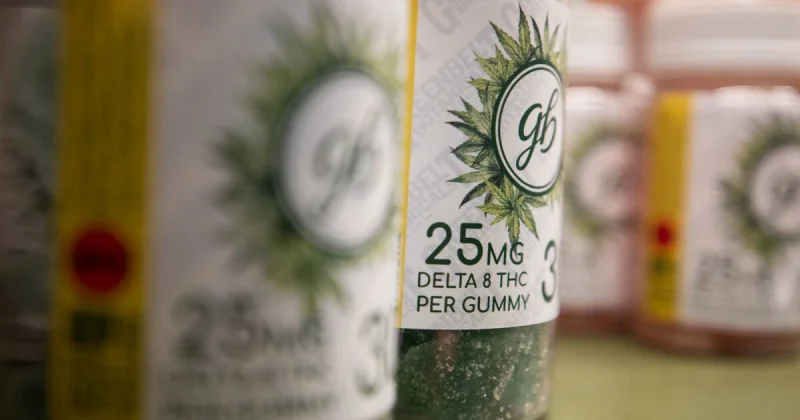
Texas started enforcing new restrictions on most hemp-derived THC products on Friday, July 31, after a Texas Supreme Court ruling let the state move ahead with a 2021 rule that classifies those products as Schedule I controlled substances. That means possession and sale of most synthetic hemp THC items can now bring criminal exposure in Texas.
The shift matters because it redraws the line for products that had been sold openly in stores and online. Delta-8, delta-10 and THCA flower are among the items now covered by the crackdown, and possession of banned products could be prosecuted as a state jail felony, a charge that can carry 180 days to two years in jail and fines of up to $10,000.
For Texans trying to figure out what’s today still allowed, the answer is narrower than it was yesterday. Hemp-derived delta-9 THC products remain legal if they contain no more than 0.3% THC by dry weight, which keeps some gummies, drinks, tinctures and qualifying hemp flower on the legal side of the line. Texas also allows medical use of low-THC cannabis through the Compassionate Use Program, but the state does not have a traditional medical marijuana card system, and qualified doctors enter prescriptions directly into a state registry.

The friction is that Texas is not banning every hemp product with THC in it. It is banning most hemp-derived THC variants while still allowing delta-9 hemp products at or below the federal limit, a distinction that can be hard for shoppers and retailers to see on the shelf. Businesses caught selling prohibited products could face steep fines, lose hemp licenses and face criminal charges, but the state has not said how many products or retailers will be swept up first.
That uncertainty is sharpened by one part of the market that is still not settled: a separate statewide ban on smokable hemp products remains tied up in court. So while enforcement on most hemp-derived THC products has begun, qualifying delta-9 hemp flower remains available for now, leaving Texas with a legal line that is clearer in law than it may be in a store aisle.
What changed today is simple enough. Texas turned a years-long gray area into an active enforcement regime, and the products most likely to disappear first are the ones that had been marketed as legal hemp but now fall under Schedule I. What happens next depends less on the headline and more on the packaging, because the difference between legal and prohibited can come down to whether a product stays under 0.3% THC by dry weight.
