


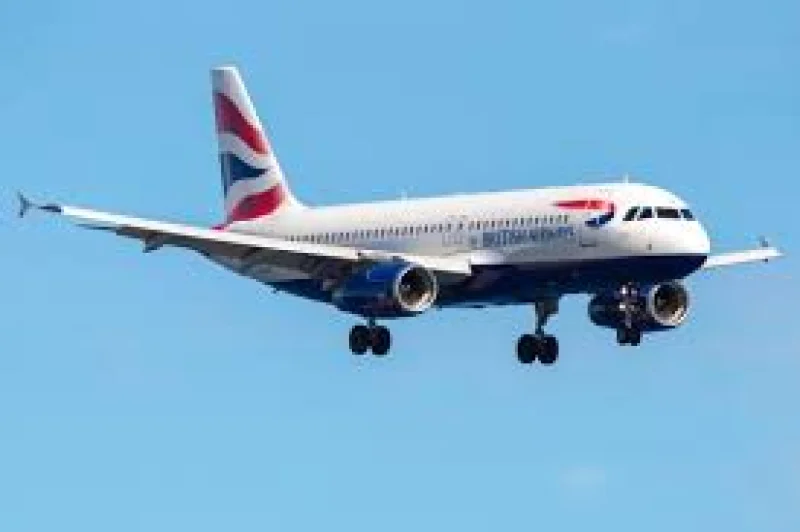
A British Airways Airbus A320 on approach to Heathrow Airport on 6 July issued a distress call that was later upgraded to mayday after a data system failure triggered stall warnings, a sequence that ended only when the jet landed safely and emergency vehicles were waiting on the tarmac.
That is why Edward Killiwick and other passengers are being talked about now. Killiwick was on the flight with his partner Julie, and he said the aircraft hit a very violent manoeuvre, then kept them in the dark for around 15 minutes after they were told the landing had been aborted. He said he thought they could crash, and remembered one woman screaming, “I don’t want to die.”

The aircraft had left Dusseldorf in Germany for Heathrow, one of the busiest airports in the UK, and the incident is now in the hands of the Air Accidents Investigation Branch. British Airways says it is assisting the AAIB, while France’s BEA has said the aircraft had issued a distress call and identified it as an Airbus A320. The details matter because the call was not treated as a routine technical problem; it moved from distress to mayday, which is the point at which the crew is signalling that danger is immediate and the situation has become critical.
The most troubling part of the account is not that the flight landed, but how little the passengers say they were told while it was unfolding. Killiwick said the jet seemed to be climbing and circling with no explanation, and that he thought silence from the flight deck meant the crew was in trouble. He also said the violent manoeuvre almost felt as if the aircraft was avoiding another plane, and that the engines sounded as though they were at full power. The landing itself brought relief, but not calm; he said only a few people clapped because most were simply glad to be on the ground.
What still has to be answered is straightforward and serious: what caused the data system failure on the Airbus A320, and how the aircraft reached the point where a second stall warning at 3,000 feet forced the urgency call up to mayday. For now, the safe landing closes the immediate danger, but the investigation will have to explain why a routine approach turned into an emergency that left passengers fearing the worst.
