


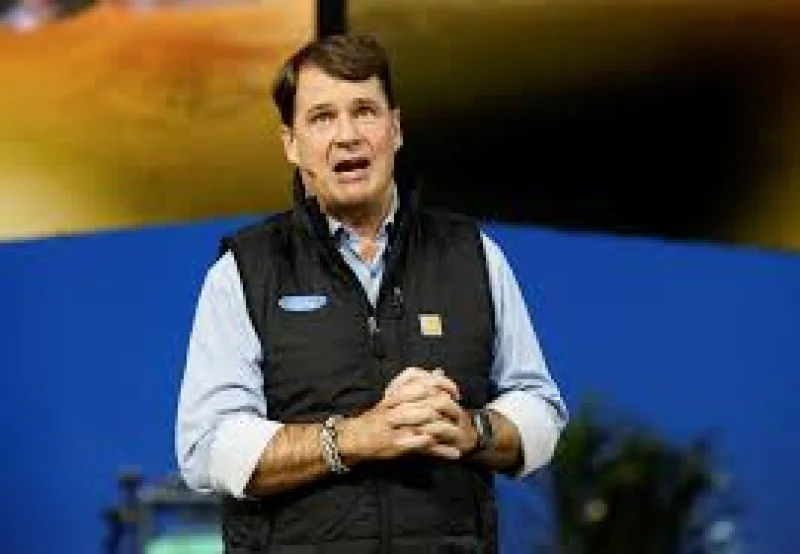
Jim Farley told Ford workers during a town hall meeting that Chinese automobile manufacturers could enter the US market within the next decade, a warning that landed as Ford tries to get ahead of a tougher electric-vehicle fight. The message was plain: the company is not waiting for that competition to arrive before it starts reshaping its own lineup.
The reason Farley’s comments are drawing attention now is that American buyers are already showing more interest in Chinese EV models, even as tariff and regulatory barriers keep those vehicles out of the US market for now. Ford is answering that pressure by planning a line of affordable electric vehicles, a move meant to give the company a product that can compete on price if the market opens further.

That is what makes the warning more than a distant forecast. Farley was not describing a hypothetical problem somewhere off in the future; he was telling Ford’s workforce that the company has to prepare while the door is still mostly shut. The urgency comes from the gap between policy and consumer demand, because legislative moves to restrict Chinese car sales in the US may slow entry, but they do not erase the interest drawing attention to companies such as BYD.
For Ford, the next step is less about naming which Chinese automakers may arrive first than about building a cheaper EV lineup that can stand up to them if they do. Farley’s point to employees was simple enough: the competitive pressure is already forming, and the company wants its own cars in place before that pressure becomes impossible to ignore.
