


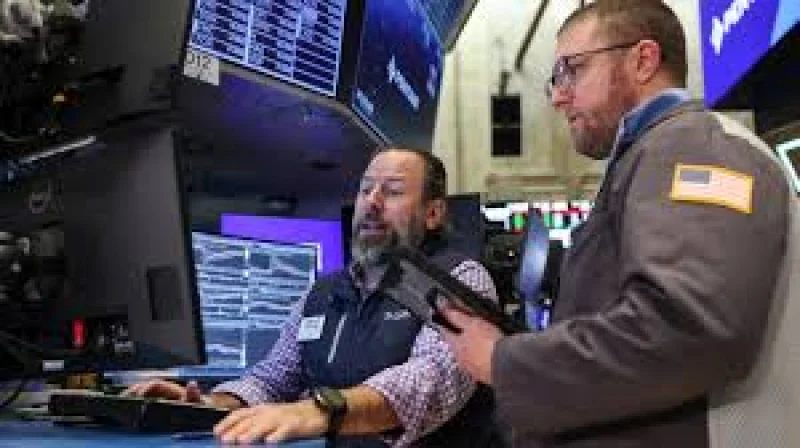
US stocks sold off hard on Wednesday after the Federal Reserve held rates steady, with the Dow Jones Industrial Average falling more than 1,100 points in a broad risk-off move that also dragged the S&P 500 and the Nasdaq Composite lower.
The Dow dropped 2.2%, the S&P 500 fell 1.5% and the Nasdaq Composite sank about 1.7% as investors recalibrated for a central bank that stayed put even though three FOMC members wanted a hike. The move was sharp enough to mark one of the session's defining shifts on Wall Street and came as long-dated Treasury yields rose after the decision.
The Fed's choice landed while inflation remained well above its 2% target, a backdrop that has kept every word from the central bank under a microscope. For investors tracking the Dow Jones Stock Market, the day also echoed an earlier market message that rates may stay higher for longer, a theme that has already been feeding through to bond yields and stock valuations.

Oil added another layer of pressure. Brent crude gained more than 7% and traded back over 90 dollars per barrel as tensions in the Middle East flared again, with US Central Command saying Iran launched an attempted surprise attack on Tuesday after a pause in hostilities on Friday. That jump in crude reinforced the sense that traders were being hit from both sides: higher yields on one hand, and geopolitical risk on the other.
Chip stocks were another weak spot. Investors dumped them ahead of Big Tech earnings, with SK Hynix's second quarter profit coming in below Wall Street expectations and Alphabet's capital expenditure guidance last week unsettling the market. Microsoft and Meta were due after the bell, along with results from Starbucks, Chipotle Mexican Grill, Qualcomm and Arm Holdings, leaving little room for disappointment in a market already on edge.
The next test is whether the selloff stays contained to one volatile session or turns into a broader repricing of risk across US stocks. If yields keep climbing and oil stays elevated, Wednesday may look less like a passing shock than the start of a more cautious phase for investors in the Dow Jones Industrial Average and the rest of Wall Street.
