The Acolytes have a new center of gravity, and it is Exodus. After Fabian Cortez is exposed as a double agent working for the Upstarts and Gamesmaster, Exodus turns that betrayal into a power grab that pulls most of the group behind him.
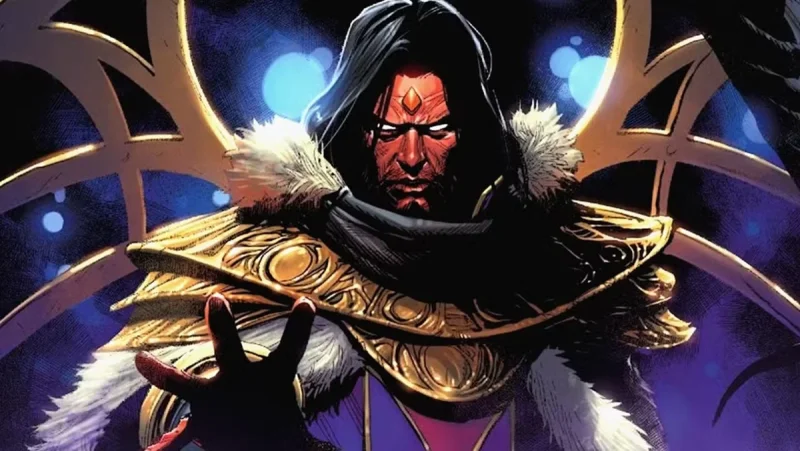
That shift is drawing fresh attention now because Exodus is not just another mutant in Magneto’s orbit. He is a 12th century French nobleman who became one of Apocalypse’s champions, an Omega-level telekinetic whose powers grow stronger when belief around him is strong enough. That makes him more than a battlefield asset. It makes him a figure built to command faith, which is exactly what the Acolytes are built to give.
The Acolytes first appear in X-Men Vol 2 #1 in 1991, when Magneto reemerges as a villain and the group is defined as his mutant followers. Cortez is supposed to be one of the loudest voices in that cause. He can boost mutant abilities, revive exhausted allies, and even nullify powers completely. But he is also working for the Upstarts and Gamesmaster, and once that is exposed, the structure around him starts to collapse. Cortez crashes Asteroid M and kills the other Acolytes, turning the betrayal into a massacre rather than a quiet split.

Exodus steps into that void with a different kind of authority. He exposes Cortez’s treachery to the Acolytes, and most of them begin following him. The reason is not just force; it is belief. Exodus can bolster his own powers or someone else’s if the people around him believe in that mutant strongly enough, which gives him a kind of spiritual leverage Cortez never had. Where Cortez can amplify or cancel power, Exodus can make loyalty itself feel like strength.
That matters for Colossus, who joins Magneto and the Acolytes after attending Magik’s funeral. Illyana Rasputin dies during Fatal Attractions as the first victim of the Legacy Virus, and in that grief Colossus finds his way into a movement already being reshaped from within. The same pull shows up again later, after the Age of Apocalypse, when Holocaust enters the 616 universe and Exodus brings him into the Acolyte fold.
Exodus eventually bends the knee to Magneto when Magneto returns, which keeps him inside the larger mutant hierarchy even as he becomes the dominant figure among the Acolytes. Fabian Cortez is gone, most of the group has already moved, and the result is a faction led less by protocol than by conviction. What remains unresolved is how stable that new order really is once grief, power and belief stop pointing in the same direction.