


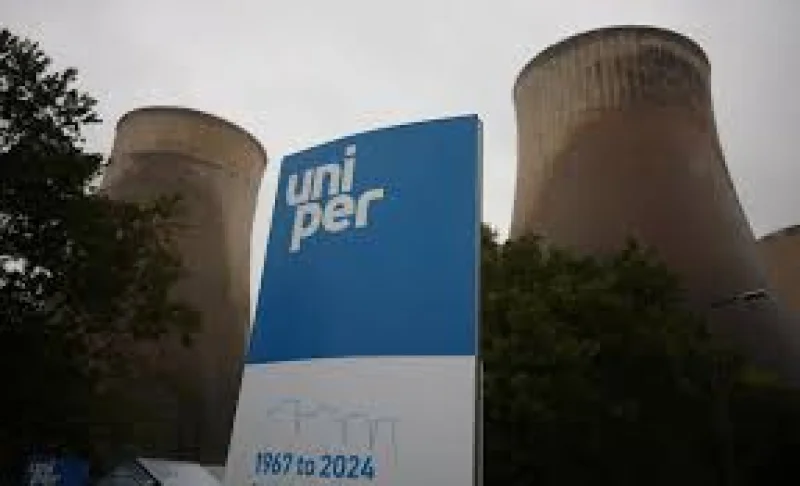
Ksi Lisims LNG has signed a 20-year agreement to supply 2 million tonnes of liquefied natural gas a year to Uniper, with first deliveries expected in 2032. The federal government called it Canada’s first binding, long-term agreement to supply LNG to a European utility.
The deal was finalized Wednesday after a letter of intent was signed last month, giving Ksi Lisims a clearer commercial path even though the project has not yet reached a final investment decision. For the Nisga’a Nation, Western LNG and Rockies LNG, that matters now because the project is being pitched as one of the biggest new export developments in the country, and Ottawa says it could account for 13 per cent of Canada’s total natural gas exports by the middle of the next decade.
Mike Newman said in Vancouver that the Canadian volumes could help support energy security in Germany and across Europe if supply tightens again. He said the shipments would remain flexible enough to serve customers in Germany, Sweden, the U.K. and the Netherlands, and that the deal diversifies Uniper’s LNG portfolio while strengthening Europe’s energy system in an uncertain market.

Ksi Lisims is expected to produce up to 12 million tonnes of LNG annually from two floating production and storage facilities on Nisga’a land near the Alaska border, powered by hydroelectricity and designed as a net-zero emissions operation. Ottawa says it would add more than $15 billion to Canada’s GDP over 30 years and become the country’s second-largest LNG facility after LNG Canada in Kitimat.
That promise is also where the dispute starts. Richard Brooks called the agreement “a major step backwards for climate action” for both Canada and Germany, arguing that moving ahead with a major methane gas project while wildfires and heatwaves intensify is a mistake. The project’s backers are selling it as energy security and trade sovereignty; critics see a lock-in to more fossil fuel infrastructure at the wrong moment.
The next hurdle is the one that still decides whether the project becomes real. Ksi Lisims has not yet cleared its final investment decision, and until it does, the contract is a major commercial signal rather than a guarantee that steel will go into the ground.
