


The Federal Open Market Committee is expected to leave its benchmark federal funds rate unchanged after today's FOMC meeting, keeping policy steady as markets wait for the Fed's next signal. About 70% of fed funds futures traders are already positioned for no change this afternoon.
That expectation has made the meeting feel routine on the surface, but the reasons behind it are anything but. Oil prices jumped yesterday after Iran launched missile attacks on U.S. bases in Jordan, with WTI rising nearly 8% to more than $85 per barrel and Brent climbing above $90. Those moves matter because the U.S. Bureau of Labor Statistics has repeatedly shown energy costs are one of the main forces feeding into headline inflation.

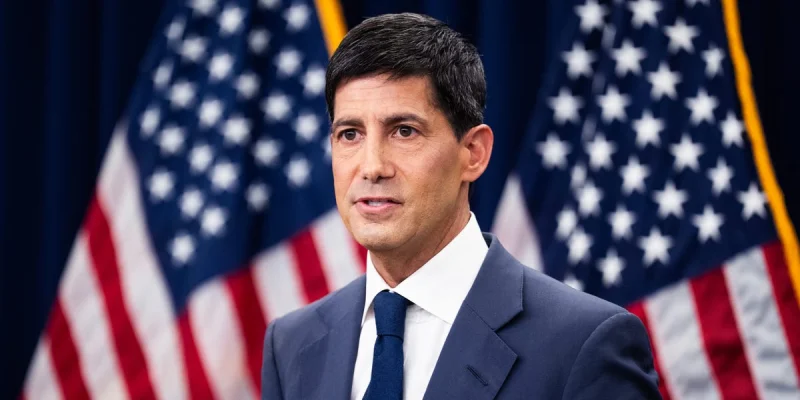
Kevin Warsh is the person many investors will be watching most closely. He has repeatedly argued that restoring the Federal Reserve's credibility should come before trying to match market expectations for easier policy, and that stance gives his comments more weight than the rate hold itself. Warsh was nominated to help advance President Trump's preference for lower interest rates, but he has stayed focused on discipline and credibility even as the market leans the other way.
The Fed's problem is that it is trying to sound steady while the backdrop is not. Hiring has slowed in several sectors, unemployment has remained relatively resilient, and oil's latest spike has rebuilt pressure just as policymakers are trying to judge whether inflation is truly cooling. At the same time, Warsh eliminated the Fed's dot plot, leaving investors with fewer official signals and forcing them to read the economy without much guidance from the central bank.
That is why today's decision may matter less than what comes after it. If the committee holds as expected, the sharper question is whether Warsh uses the press conference to press the case that credibility, not the market's preferred path for rates, is what will shape the Fed's next move.
