


SpaceX stock bounced back on Monday after touching an all-time low, but the recovery did not erase the damage. Shares closed up 2.6% after falling as much as 4% in early trade, a day that still left the stock below its opening level and near the bottom of its short trading history.
The move landed just days after Starship’s 13th test flight, the kind of milestone that usually gives a company momentum. SpaceX launched Friday evening from Starbase, Texas, and the rocket deployed all 20 of its next-generation Starlink V3 satellites while also relighting an engine in space. On the company livestream, Dan Huot sounded close to euphoric, saying, “I’m a little over the moon right now,” and calling it “Lucky number 13.”
That success, though, has not translated into lasting strength for the stock. SpaceX hit an all-time low of $109.53 on Monday and finished the day down 1.4% at $113.50. Even after the rebound, shares have shed nearly 30% from the $150 market debut last month and are down 50% from the all-time high of $225.64. In other words, the market is treating the company as a story of promise and pressure at the same time.

The reason is partly mechanical. SpaceX is entering a stretch when investors have to think about supply, not just progress. Its second quarter earnings report is set for Aug. 4, and as many as 20% of shares are eligible to be sold in the Aug. 6 share unlock. That means the market is heading into fresh numbers and a larger pool of stock that could trade, both of which can weigh on price even after a technical win.
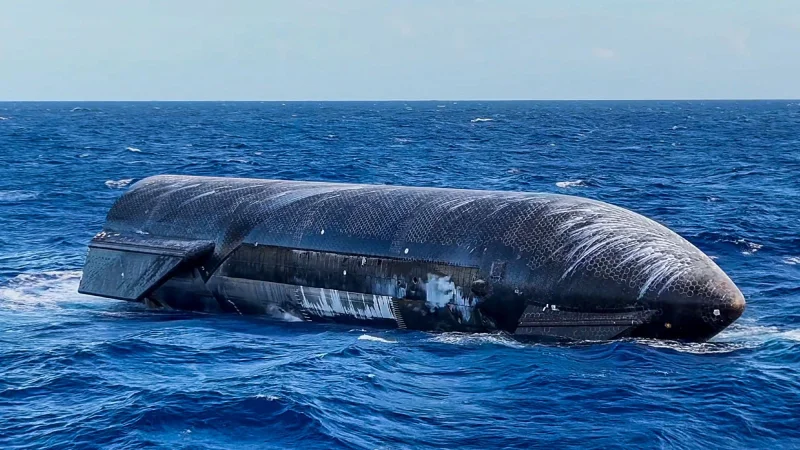
The flight itself also left one reminder that the mission was not clean across the board. The Super Heavy booster completed its hot-staging separation and flip, but it failed to light all 13 engines for its landing burn and hit the Gulf of Mexico harder than planned. SpaceX said the Starship splashdown was its softest ocean splashdown yet, and neither the Starship nor Super Heavy was meant to be recovered, but the booster’s rougher end kept the launch from becoming an all-clear signal for investors.
What comes next is now as important as what just worked. SpaceX plans to attempt to catch the ship with the tower on the next flight unless mission data review finds problems, and the company is also turning away some satellite operators seeking dedicated Falcon 9 rides beyond 2028 while halting certain Falcon 9 and Falcon Heavy component production. For shareholders, that leaves a simple test: whether Starship’s progress can matter more than the pressure from the unlock and the earnings report.
