


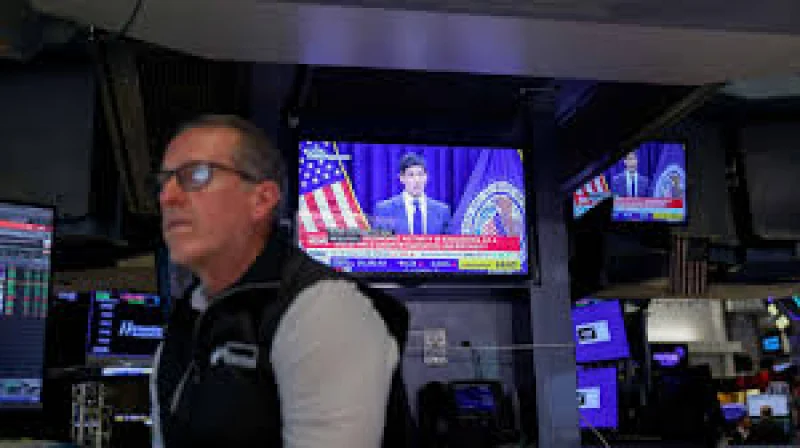
US stocks fell on Wednesday as investors braced for the Federal Reserve’s Fed Decision and weighed a fresh jump in oil prices after Iran launched surprise attacks against the US. The S&P 500 lost 0.6%, the Nasdaq Composite dropped 0.8% and the Dow Jones Industrial Average fell 1.2%.
The move came with the Federal Reserve’s interest rate decision due at 2:00 p.m. ET, and traders were still betting the central bank would keep rates unchanged. But that view sat beside a harder market reality: persistently high inflation and Chairman Kevin Warsh’s clampdown on Fed communications left the door open to a rate hike, even if it was not the base case going into the announcement.
Oil added to the pressure. Brent crude gained more than 7% and moved back over $90 per barrel as renewed Middle East tensions rippled through markets. The surge in crude reinforced the day’s risk-off tone and made the pending rate call look even more delicate, because higher energy costs can keep inflation stubborn at the same moment policymakers are deciding whether to ease or hold steady.

The selling was not confined to US stocks. The KOSPI Composite fell nearly 6% after investors dumped chip shares, including Samsung and SK Hynix, after SK Hynix reported second quarter profit that rose 557% year over year but still came in below Wall Street expectations. That was an awkward mix for the AI trade: the numbers showed huge growth, but not the kind of growth investors had been pricing in.
That same unease was already spreading through Big Tech. Alphabet’s capital expenditure guidance last week had spooked markets, and Microsoft and Meta were due to report after the bell, keeping investors focused on whether AI spending still justifies the valuations attached to it. Shares in Procter & Gamble also sold off Wednesday morning after revenue came in below expectations, a reminder that the day’s weakness was broader than one sector or one headline from the Middle East.
The backdrop matters because the market had spent the week moving from one test to the next: a pause in hostilities before Friday, then Tuesday’s attempted surprise attack against the US, then a Wednesday session shaped by the Fed Decision and a higher oil price. If the Federal Reserve holds rates, traders will likely treat that as a temporary relief. If it moves, the message will be clearer still: inflation is still strong enough to compete with the market’s hope for stability.
