


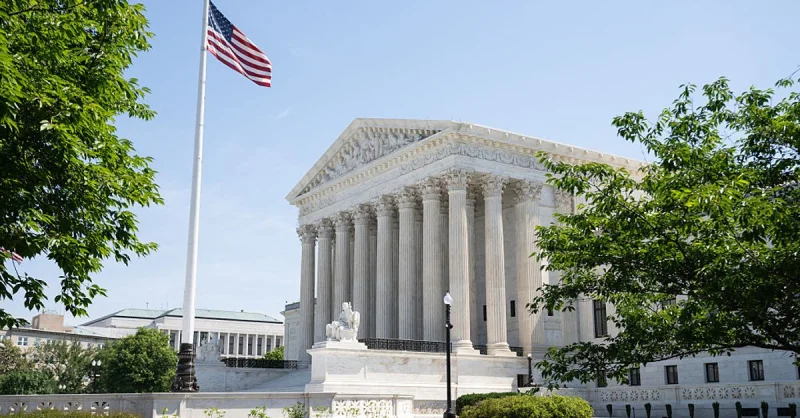
The Trump administration asked the Supreme Court on Monday to let President Donald Trump’s mail-voting executive order take effect in full, pressing the justices to lift lower-court blocks on provisions aimed at mail-in and absentee ballots. John Sauer told the court the government should be allowed to move ahead now rather than wait for a full round of appeals.
The filing targets an order Trump signed on March 31 titled Ensuring Citizenship Verification and Integrity in Federal Elections. It directs the U.S. Postal Service to propose rules for mail-in and absentee ballots and tells the Department of Homeland Security to compile state citizenship lists, with the Postal Service then limited to sending mail-in ballots only to voters whose names appear on those lists. The administration is asking the court to allow those steps to go forward before the 2026 election calendar hardens further.

The request comes after a federal judge in Massachusetts stopped the mail-in ballot and state citizenship list provisions from being carried out in 23 states and the District of Columbia, led by California. U.S. District Judge Indira Talwani issued that order on June 25, and a divided panel of the U.S. Court of Appeals for the 1st Circuit later turned down the government’s bid to intervene. Sauer told the Supreme Court the agencies have not yet settled how they would implement the order, which is why the administration says the courts should not be deciding the dispute yet.
That position runs directly against the warning from the 1st Circuit majority, which said taking the order into the fall elections would sow confusion and threaten disenfranchisement of many eligible voters. The judges’ concern is practical as much as legal: even if the administration eventually wins on the merits, election rules tied to voter-roll verification and mail voting have to be in place well before the vote, leaving little room for a slow appeals process.
The court has told the states to respond by 4 p.m. EDT on Monday, Aug. 3, setting up the next step in a fight that now turns on whether the Supreme Court is willing to grant emergency relief before the election machinery locks in. If the justices act, they can let the order move forward quickly; if they do not, the lower-court pause remains in place while the challenge works its way through the system.
