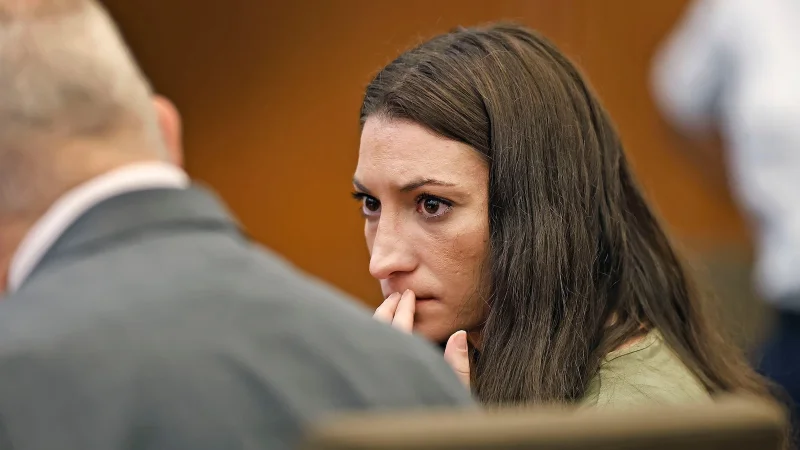
Opening statements and testimony in Lindsay Clancy’s murder trial are set to begin Monday in Plymouth Superior Court, turning a case that has sat for months into a live test for jurors. Prosecutors and defense lawyers will ask them to decide whether the 35-year-old was delusional or psychotic when she killed her three children, or whether she should be held criminally responsible for what happened in the family’s Duxbury home.
That question will be argued in front of a witness list that is already unusually large. Prosecutors have filed 182 potential witnesses, while the defense has listed 65 names, with several dozen overlapping between the two sides. The first witness expected for the prosecution is Patrick, who found the three children in the basement of the family’s Duxbury home on Jan. 24, 2023, and whose anguished 911 call for help is expected to be played for jurors.
By the time that call came in, the scene had already turned deadly. Five-year-old Cora and 3-year-old Dawson were pronounced dead at hospitals that night, and 8-month-old Callan died three days later. Lindsay Clancy cut her wrists and neck and jumped out a second-story window that same night, leaving her paralyzed from the neck down. Those facts will frame a trial built around mental state, medical evidence and the people who tried to respond in real time.

Judge William F. Sullivan moved the case toward that point on Thursday by denying a request from Clancy’s attorney to limit the number of first responders who may testify, while also granting prosecutors’ request to strike four doctors from the defense list because they had not previously been identified as experts. That ruling matters because it broadens the prosecution’s presentation of the emergency response while narrowing the defense’s room to add surprise medical testimony.
The expert fight is likely to shape how each side tells the story. The prosecution’s experts include Kirk Heilbrun and Avram Mack of Park Dietz & Associates, along with Gregory Saathoff and Margarita Abi Zeid Daou. The defense lists Phillip Resnick, Margaret Spinelli and Paul Zeizel. Behind the legal labels is a sharper divide: prosecutors are expected to portray Clancy as a sociopath, while the defense plans to argue that she was gripped by postpartum mental illness and had been trying to get help for depression and anxiety, with the treatment — or lack of treatment — becoming part of the evidence jurors must sort through.
The trial begins with the prosecution’s broadest possible opening: a long list of witnesses, a 911 recording that captures the night’s panic, and the first witness in Patrick. What jurors ultimately make of the competing psychiatric testimony will decide whether the case turns on illness, intent or something more difficult to name.