


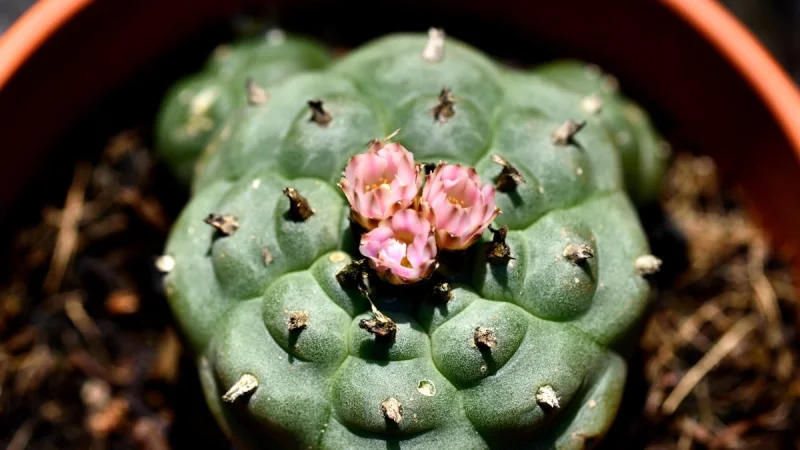
A new study in Neuroscience Bulletin found that mescaline, a hallucinogen found in certain cacti, changed how awake rats’ brains handled incoming sensory information. In the first brain-imaging map of mescaline in this setting, the drug dampened activity in parts of the cerebellum while strengthening its communication with other regions tied to memory, sensation and body awareness.
The work is drawing attention now because it used functional magnetic resonance imaging in awake rats, not under anesthesia, after the animals were gradually accustomed to the scanner. That let researchers watch brain activity as it happened in 24 adult rats, split evenly between 12 females and 12 males, with half receiving mescaline and half a control solution. The setup matters because mescaline has been used in spiritual and ceremonial practices for thousands of years, but this is the first time the brain effects have been mapped with this imaging approach in the source.
Noah Cavallaro described one result as especially striking: the hippocampal connection. Under normal conditions, the cerebellar nuclei had essentially no functional link to the hippocampus, but after mescaline they connected to seven of nine hippocampal subregions. The strongest increases also reached the thalamus, somatosensory cortex and midbrain, suggesting the drug did not simply quiet the cerebellum. It rewired how that region talked to the rest of the brain.

That is where the finding becomes harder to dismiss as a simple sedating effect. In the same first experiment, the rats were exposed to the scent of almond. The smell produced a clear brain response in the control rats, but almost no response in the rats given mescaline. At the same time, mescaline increased cerebellar communication with areas that help route sensation and memory. The result is a split picture: weaker responses to an incoming reward cue, yet stronger long-range signaling between the cerebellum and regions that shape what the brain keeps, filters and sends onward.
Cavallaro tied that pattern to a breakdown in filtering. If that filter fails while links to memory, sensory relay and body-sense regions rise, he said, the brain may begin passing along raw, unprocessed information that would normally be narrowed before it reaches awareness. The study does not prove the exact cellular mechanism behind that shift, and it does not yet show whether the same pattern appears with other psychedelics. It also leaves one important result hanging: in a separate experiment involving 16 rats, the team tested prepulse inhibition, but the outcome was not reported in the provided text.
For now, the study gives mescaline a new kind of profile. The compound has long been known as one of the oldest psychedelics, but this rat work links it to a specific brain system traditionally associated with movement and balance and increasingly tied to attention, emotion, memory and sensory processing. What remains unknown is whether the lost filtering seen here is the same pathway that drives the altered perception people report, or only one piece of it.
