


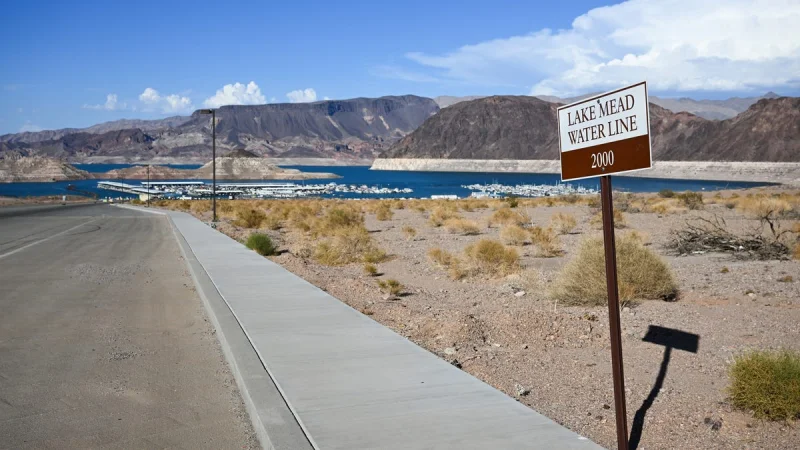
Cities across the Southwest are tightening water use as Lake Powell sinks deeper into crisis, with the reservoir hitting its lowest level ever this late in the summer on July 19. The lake was 23.4% full that day, a warning sign for the Colorado River system that is pushing cities to move faster on conservation.
That shift is showing up in places like Arizona, California and New Mexico, where some cities are recycling wastewater, limiting lawn watering and, in other cases, turning to desalinated ocean water. Kathryn Sorensen said cities have to make sure people can keep getting reliable, safe tap water. She said that role belongs to cities, not state or federal leaders, which is why local governments are now moving ahead on their own.
Lake Powell has not been full since 1983, and its falling water level matters far beyond the reservoir itself. The lake helps produce power for millions of homes across the West, and a deeper drop could stop the river flowing through the Grand Canyon. That would push the system into what experts call a dead pool, a condition that would leave the river unable to move downstream through the dam area.

At the same time, the strain on the river is not falling evenly. Nearly half of the country’s vegetables and more than three-quarters of its fruits and nuts are grown in California, and a substantial amount of those crops depends on Colorado River water. Most of the water taken from the river goes to farming, while 20% is set aside for residential use, which is why any new cuts quickly turn into a fight over who bears them.
That is the part the states still have not solved. California and the six other states that collaboratively manage the river have been unable to reach a compromise on what to do next, even as farmers and rural towns in Utah face what has been described as unprecedented shortages. Dave Owen put the arithmetic plainly: there is probably enough water in the Colorado River to go around if it is used wisely. The question now is whether the states can agree on how much more farmers must conserve before the pressure eases on cities and reservoirs alike.
For now, the burden is shifting downward, with cities making visible changes while the bigger deal remains unsettled. Lake Powell may not yet be at dead pool, and drinking water supplies are unlikely to be disrupted immediately, but the next cut that matters will not come from public messaging. It will come from whether the seven states can agree on real reductions before the river falls any farther.
