


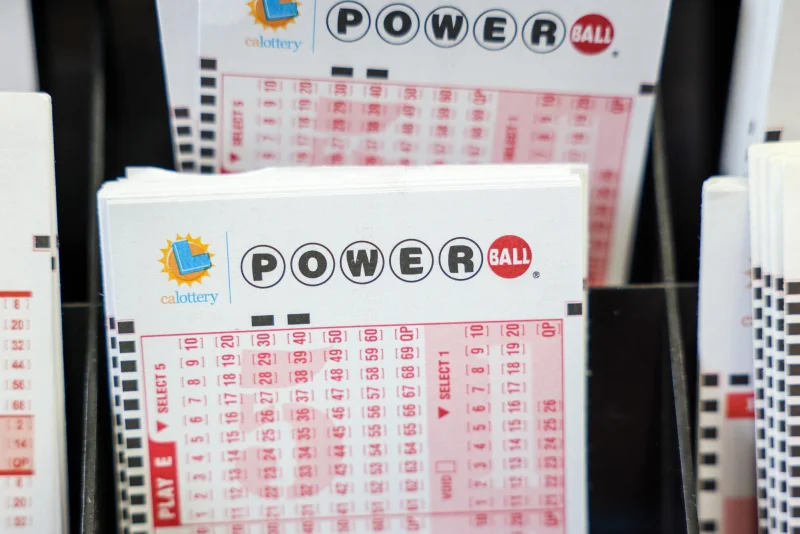
The U.K. began selling Powerball tickets on July 21, 2026, and the first thing players noticed was not the game itself but the size of the jackpot. The advertised prize came in at about $400.4 million, or £300 million, while the U.S. figure stood at $567 million for the same draw.
That gap is why Jack Whittaker is being searched now. The launch gave the U.K. its first cross-border Powerball access, and it did so with a number that looks smaller on purpose. In the U.K., the headline amount is what a winner would take home after tax. In the U.S., the advertised figure is the gross, pre-tax annuity value, which is not the amount a winner actually pockets.
Powerball has been running in the U.S. since 1992, with players in 45 states, Washington, D.C., Puerto Rico and the U.S. Virgin Islands buying tickets several times a week. The game now uses the same shared jackpot on both sides of the Atlantic, but the way the prize is presented changes the story before a ticket is even bought. A U.K. ticket costs £4, or about $5.33, compared with $2 in the U.S., and more than half of every ticket sold in the U.K. stays in the country to fund public programs.

The split is easy to miss if you only look at the big number. The U.S. advertised jackpot reflects the gross total of a 30-year annuity, so a $600 million prize would pay $20 million a year for three decades before taxes are taken out. Federal withholding alone takes 24% immediately from lottery winnings, and winners owe about 37% in federal income taxes. State taxes can follow unless the winner lives in a state without income tax such as Florida, Texas, Tennessee or Nevada, while California exempts lottery winnings altogether.
The U.K., by contrast, does not tax lottery winnings, and Allwyn says the advertised jackpot applies the highest applicable tax rate to the shared pool before converting the remainder into pounds. That is why the same draw can look like two different jackpots without any change to the underlying game. One number is built to show what remains after taxes. The other shows the full amount before anyone collects a cent.
For players, the launch changed the comparison immediately. The U.K. is now part of the same Powerball pool that U.S. players have known since 1992, but the prize will keep looking smaller in Britain whenever the tax-adjusted amount is set beside the American gross. What remains unanswered is how quickly the new market will build its own audience once the novelty fades and the first cross-border drawings pass into routine.
