


Kerala has unveiled a first-of-its-kind action plan to eliminate snakebite deaths and related disabilities by 2030, putting the state on a formal path to tackle a problem that has killed around 600 people in the past decade.
The Kerala State Action Plan for Prevention and Control of Snakebite Envenoming was prepared by the Department of Health and Family Welfare with the Centre for One Health–Kerala, and it folds healthcare, wildlife management, agriculture, local self-governments and scientific research into one strategy. The move matters now because the state has been forced to treat snakebite not as a seasonal nuisance but as a public health threat that still hits farmers, plantation workers, tribal communities and other rural residents hardest.
The plan also arrives after Kerala formally declared snakebite a notifiable public health disease in 2025, giving the state a clearer way to track cases that are often missed. That gap is important: nearly 90 per cent of victims are bitten after unknowingly stepping on or disturbing a snake, which means many incidents happen in fields, paths and homes where help can be delayed and records can be incomplete.

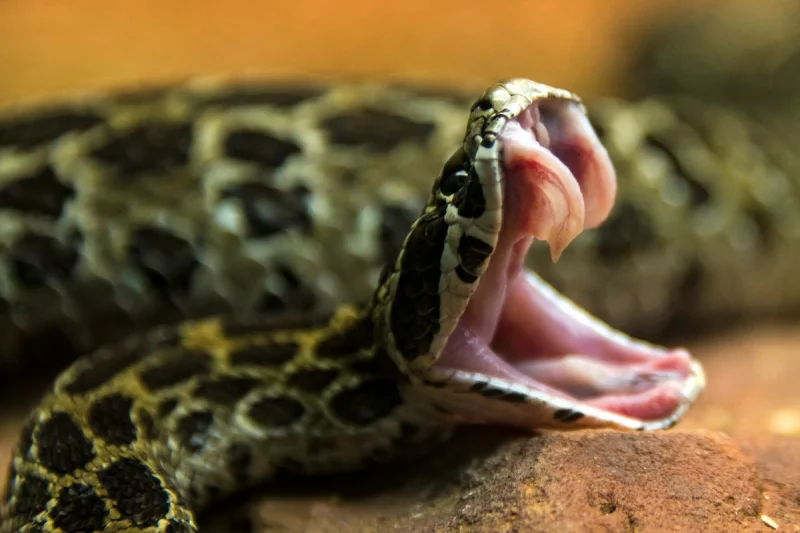
Kerala’s burden is shaped by its wildlife as much as by its health system. The state is home to more than 130 snake species across 12 families, but treatment across India has long centered on the Indian cobra, common krait, Russell’s viper and saw-scaled viper. In Kerala, the cobra, krait and Russell’s viper are found across much of the state, while the saw-scaled viper is largely restricted to parts of Kasaragod, Kannur and Palakkad districts. That geography is why a single treatment model can miss the details that matter on the ground.
The state says the plan goes beyond emergency care and into prevention, public awareness, access to treatment in remote areas and species-specific venom research, with an emphasis on Anti-Snake Venom and critical care facilities. But the same features that make the roadmap ambitious also make it hard to deliver: underreported cases, weak rural healthcare, and the need for better evidence on how different species respond to treatment could all slow the push to reach zero deaths and disabilities by 2030.
For now, Kerala has done the part governments often avoid. It has named the problem, set a deadline and tied health policy to the landscape that drives the danger. What remains is whether the system reaching into rural Kerala can be strengthened fast enough to make the 2030 target more than a promise on paper.
