


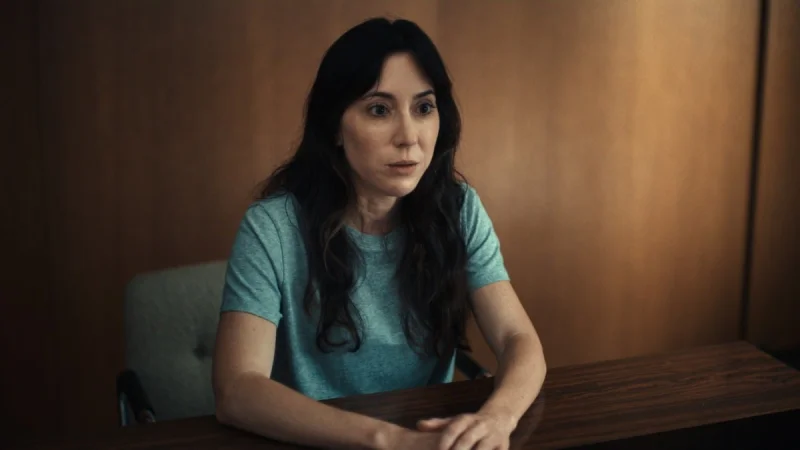
Netflix's A Toxic Love Story has put Michelle Hadley's arrest back in the spotlight, along with the accusations that sent her to jail in June 2016. The documentary revisits the claims made by Ian Diaz and Angela Connell, and the trail of emails, restraining orders and fake ads that pulled the three into a case that kept unraveling.
The renewed attention matters because the story was never just about one accusation. It was about who was harassing whom, and why Diaz and Connell told police that Hadley was responsible for messages sent from an account labeled Lilithistruth. Those emails arrived several times a day in the spring of 2016 and carried threats such as “You must be gone,” “Ian does not love you,” “You have stolen my life” and “Eye for an eye.” They also mentioned Connell's routines near their Southern California condo and threatened to kill her unborn children.
Diaz first called police in the spring of 2016 and said the messages had become relentless. He and Connell then filed a temporary restraining order and told officers they believed Hadley was behind the harassment, including Craigslist ads that used Connell's photos, name and address and invited men to go to the home and rape her as part of a consensual fantasy. At least one man showed up, and Connell later told police she was physically attacked by a stranger who had responded to one of the ads.

Hadley was 26 and living near Anaheim before the accusations and arrests. She had met Diaz in 2013 after matching with him while scrolling through dating platforms one night, and the relationship moved quickly. They bonded over Disneyland, took trips together, met one another's friends and family, and soon moved in together. Hadley said she fronted the money for the down payment on a condo they were supposed to share and cleared out her savings account to do it.
What followed was a relationship she described as a “rollercoaster ride.” Hadley said Diaz grew more controlling, tried to change the length of her nails and told her what clothes to wear. She said he tracked her location constantly, installed security cameras inside the home and called if she strayed outside her planned route. She also said he alternated lavish dates with screaming bouts and once drove erratically until she feared for her life. After several months, she left for her parents' house and said Diaz kept stalking and harassing her after the breakup.
That clash is what gives the case its bite now. Hadley said Diaz was controlling and that she sent him some emails after leaving. Diaz and Connell blamed Hadley for the threats and the rape ads. Investigators later found a web of deception and manipulation that spanned years, a finding that undercuts any neat version of events and leaves the central question pointed in one direction: who was driving the campaign of harassment, and how much of what police were shown at the start was built to mislead them?
