


A hiker was hospitalized Saturday after a brown bear made brief contact on a narrow South Anchorage trail above the Bear Valley neighborhood, in what Alaska Department of Fish and Game officials called a likely surprise encounter at close range. The woman’s injuries were not life-threatening, and firefighters helped her off the trail before taking her to the hospital.
The encounter matters now because it happened on a trail that draws walkers into steep ground where bear activity has been reported repeatedly this summer. Fish and Game said it is putting up signs and flagging at trailheads in the area to warn people after the latest incident, which was reported by Anchorage police, Anchorage fire departments and Alaska State Troopers at about 5:30 p.m. Saturday.
Cyndi Wardlow said the woman was found about a half-mile up the trail from Kenai Terrace Road and Brewsters Drive. Wardlow described the event as likely a surprise encounter at close range, especially with the high winds and low visibility in the area, and said those conditions may have made it harder for the bear to detect the hikers and their three dogs before the animals were close enough for contact.

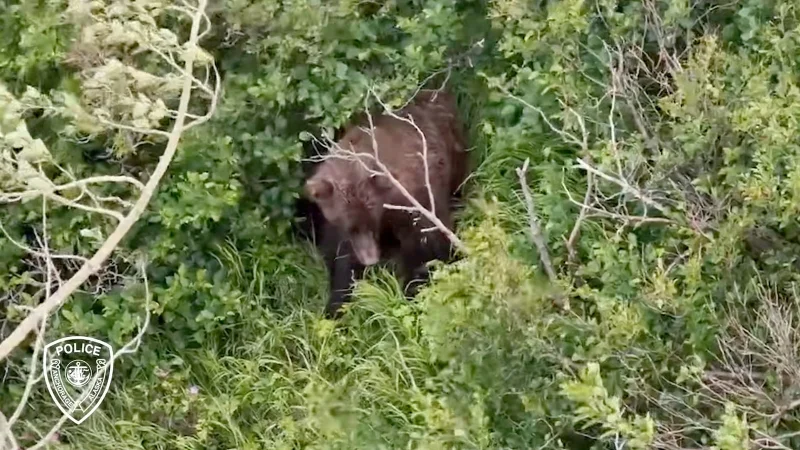
The bear emerged from a dense stand of alder trees on the uphill, switchback trail and then moved on after making brief contact with one of the hikers. All three dogs were off leash, and the hiker’s dog was later found unharmed by another group of hikers and returned home. Police also sent a drone to a nearby hillside and saw a single brown bear, while a moose kill had been reported nearby.
That detail sits uneasily beside the broader picture Fish and Game described: multiple brown bear reports in the Hillside neighborhood areas this summer, along with other bear sightings in the Bear Valley area. Officials said those reports have not included aggressive behavior or animals acting unusually, but they come after other recent injuries in the region, including a mountain biker hurt last month on the Dome Trail and two U.S. Army soldiers injured in April at Joint Base Elmendorf-Richardson. The latest case suggests the danger is less about a pattern of attack than a fast, close-range meeting on a trail where the bear and the hikers had almost no room to avoid each other.
For now, the response is limited to warnings and trailhead signs, not a closure or an enforcement action. The unanswered question is the one that matters most to anyone heading back onto that slope: whether the high winds and low visibility were enough to make this a one-time collision of chance, or whether the area’s reported bear activity means hikers are entering ground where another surprise is more likely than anyone wants to admit.
