Student loan borrowers are scrambling to make sense of changing rules that will soon affect how much more they can borrow and how they pay back what they already owe. The shift lands at a moment when the fight over student debt has become a fight over who was sold a promise that never quite matched the bill.
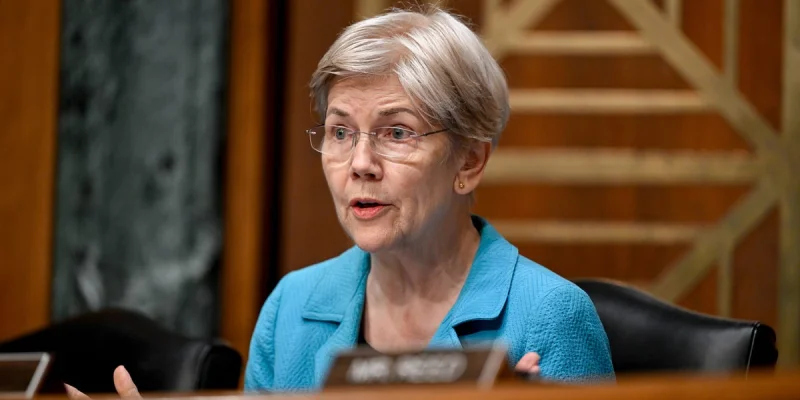
That is why the Elizabeth Warren student loan bill keeps drawing attention now: borrowers are looking for clarity on a system that may be changing under their feet, even as the basic argument over college debt remains unsettled. Donald Trump’s student loan reforms are being framed as a deliberate thumb to the eye of those who would have benefited from Biden’s loan forgiveness program, and the contrast has turned a policy fight into a much larger political scorecard.
The deeper complaint is not just about repayment. It is about how college came to be treated as the default next step after high school, especially for people who grew up in the 1990s and 2000s and were told from a young age that they needed to go to college to make something of themselves. Many employers made a college degree the minimum for basic sales, marketing and generic office work, while higher education sold the idea that every degree carried equal value.

That system helped universities push prices higher because uncapped and irresponsible borrowing made the money available. It also left many young people with respectable humanities and social science degrees, but buried in debt and educated out of the job market. The result is a hard contradiction: college was marketed as the route to stability, yet many borrowers entered adulthood by signing loan agreements for degrees that did not deliver the payoff they were told to expect.
At the same time, the burden did not arrive by accident. Many borrowers chose their majors and agreed to their loans as adults, which is why the debate now turns on responsibility as much as access. The argument over student lending is no longer only about whether college should have been encouraged; it is also about how much of the damage came from a system that made borrowing easy, then treated the consequences as private failure.
What happens next is narrower and more immediate: the rules are changing soon, and they will affect both the ability to take on more debt and the options for repaying what is already owed. For borrowers trying to plan the next semester, the next payment, or the next decision about school, the question is not whether the higher-education model was flawed. It is which rules will govern them before they can adjust to the new one.