


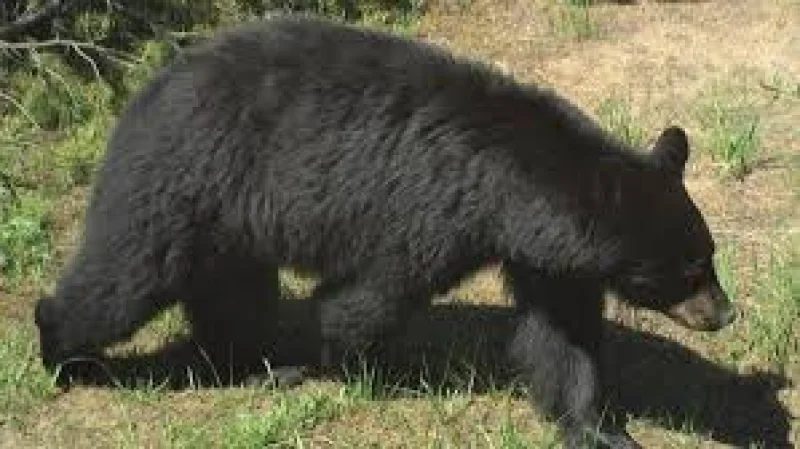
A food-conditioned black bear in Swan Valley was euthanized earlier this week after breaking into an occupied residence and helping itself to pumpkin pie. The bear was destroyed after the home break-in, turning a domestic intrusion into a lethal wildlife response.
That outcome matters because the bear did not just appear near people; it went inside a lived-in house. In that setting, relocation is not an option, and the incident was handled as a direct response to a bear that had already crossed the line from nuisance to danger.

The bear’s appetite inside the home is what made the case stand out. Food conditioning means a bear has learned to associate people or their food with a meal, and once that pattern is set, the animal can become bolder around houses, vehicles and anything carrying a scent. In Swan Valley, that behavior ended with pumpkin pie on the menu and no second chance for the bear.
What remains unclear is what first taught the bear to seek out human food. The available facts do not spell out the source of that conditioning, even though that classification drove the response. That gap matters because the label explains the outcome, but not the route that led there.
For now, the case ends with the animal gone and the residence left behind as the scene of a problem that could not be fixed by moving it elsewhere. The larger question is not whether the bear was removed. It is how many chances people had to prevent it from becoming food-conditioned before it ever reached the door.
