


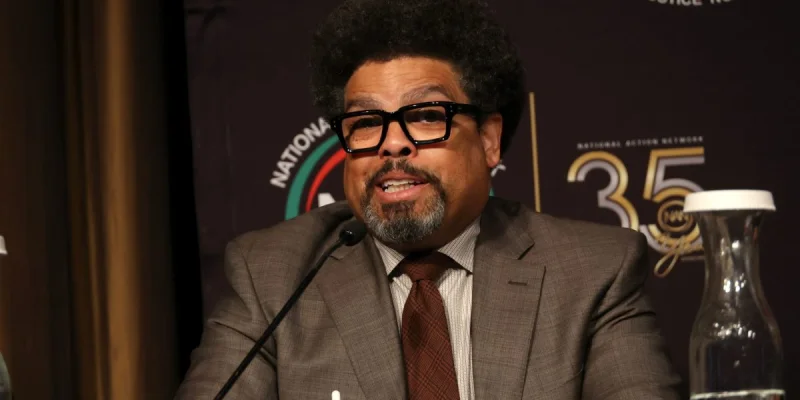
The federal government launched Trump Accounts on July 4, and a New School economist says the new savings program is more likely to widen the wealth gap than close it. Darrick Hamilton said the policy gives every eligible child the same $1,000 start, but it still rewards families with money to keep adding more.
The accounts apply to children born in the United States between January 1, 2026, and December 31, 2028. Families, employers and philanthropies can add as much as $5,000 a year until a child turns 18, which is exactly where Hamilton sees the divide opening up: households with the means to contribute year after year can build far larger balances than those already stretched by rent, groceries and child care.

The New School reached that conclusion after analyzing 15 years of data on 529 college savings plans using the Survey of Consumer Finances. That record shows how unevenly savings tools can be used even when they are open to everyone. Among lower-income families with young children, fewer than one percent own a 529 account. Nearly three in ten of the highest-income families do, and more than three-quarters of the money in 529 accounts belongs to the wealthiest 10 percent.
That is the friction at the center of Trump Accounts. The program is built as a tax-based savings plan for children, and on paper it starts all of them at the same place. In practice, the research argues, equal entry does not produce equal outcomes when one family can invest several thousand dollars every year for 18 years and another cannot. Hamilton put it bluntly: they may actually widen it.
The comparison with 529 college savings plans matters because it shows the likely path the new accounts could follow. If the same pattern holds, the largest gains will not come from the $1,000 seed alone but from the families able to keep feeding the account. That leaves the hardest question about Trump Accounts still unanswered: whether the structure can be used in a way that avoids repeating the same ownership pattern that already leaves most of the money with the wealthiest 10 percent.
