


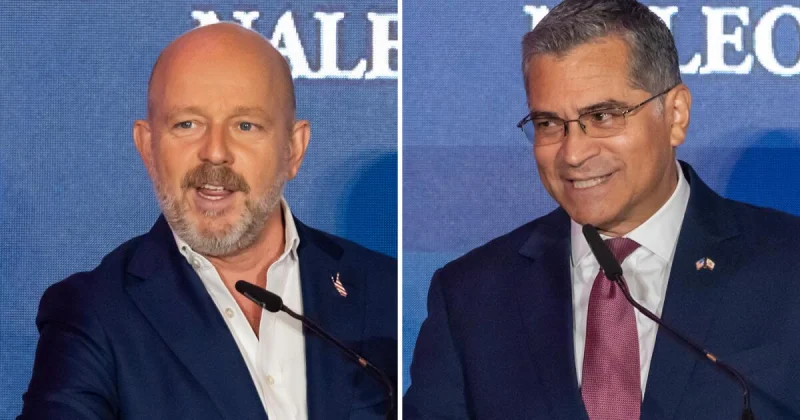
Sen. Ruben Gallego is set to speak Wednesday morning at NALEO’s 43rd Annual Conference in downtown Los Angeles, putting the Arizona Democrat before a crowd of Latino elected and appointed officials at one of the country’s biggest political gatherings.
The three-day meeting is underway at the InterContinental Los Angeles Downtown, and its scale is part of what makes Gallego’s appearance matter now. NALEO bills the event as the nation’s largest gathering of Latino policymakers, and it represents more than 8,000 Latino elected and appointed officials nationwide.

Gallego’s scheduled remarks land in the middle of a conference that is already being used to press California’s political future into public view. On Tuesday, Gov. Gavin Newsom appeared at the event and joined Sen. Alex Padilla for a discussion centered on California priorities, leadership and issues affecting Latino communities. Padilla also used his keynote to point back to NALEO’s origins, saying that 50 years ago Congressman Ed Roybal and his allies founded the organization because too many Latinos were shut out of democracy, and that 50 years later the fight is still about representation, dignity and equal protection under the law.
That backdrop helps explain why Gallego, Xavier Becerra and Steve Hilton are on the same schedule this week even though the conference itself does not spell out a detailed policy checklist for any of them. Becerra is due at the breakfast program Wednesday morning, while Hilton is scheduled to speak at lunch later in the day. Their appearances place California’s gubernatorial race in front of Latino elected officials and policymakers, but the public rollout stops short of saying what commitments the speakers will make.
For now, the clearest next step is Gallego’s own speech Wednesday morning, followed by the other candidate appearances later in the day. Members of the public can watch the remarks through a livestream at naleo.org/naleo2026-live, where the conference’s political message will be set not by slogans, but by what the speakers are willing to say in front of the people who will hear them most closely.
