


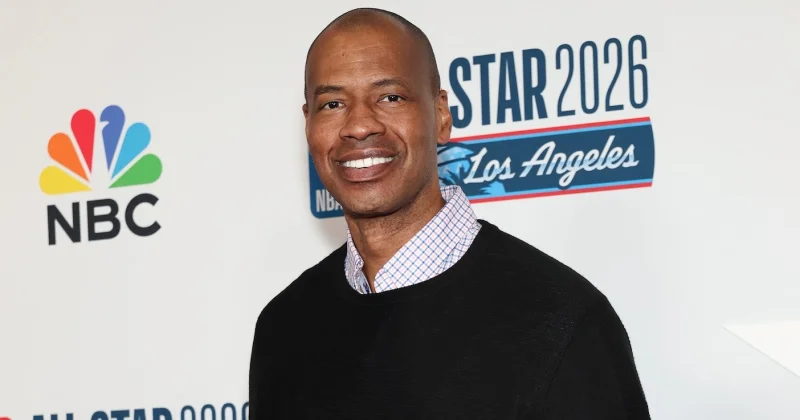
Jason Collins was posthumously honored with the Arthur Ashe Award for Courage at the 2026 ESPY Awards on Wednesday night in New York City, a tribute that placed his life, his illness and his place in NBA history at the center of the show. Robin Roberts presented the award at David H. Koch Theater in Lincoln Center.
The recognition mattered because Collins was not only being remembered as the NBA’s first openly gay player, but as a man whose family said he died after a valiant fight with glioblastoma at 47. The award turned a career milestone into a public farewell, and it did so two months after his family announced his death to the NBA on May 12.
Brunson Green, Collins’ husband, appeared in a video package and described the fear that came with the diagnosis. He said Collins was scrolling Wikipedia about glioblastoma when he first learned what he was facing and believed it was, in effect, a death sentence. Green said Collins still wanted to fight, not only to prolong his own life but because he thought his struggle might help other people.

That is what gave the tribute its weight. The celebration of courage was built around a story that had already turned tragic, and the facts of his illness were never far from the stage. Collins publicly shared his stage IV glioblastoma diagnosis in December 2025, then died after what his family called a valiant fight. Us Weekly later reported that the cause of death was respiratory failure, and his death certificate listed a blood clot, fluid buildup in his brain and brain cancer as underlying conditions that contributed to it.
Jarron Collins accepted the award on his brother’s behalf and said he wished Jason Collins was there to receive it himself. He told the audience that Jason had been willing to share his experience, his treatment and his plans in hopes that it would help others, and he pledged that the tribute would not be the end of his brother’s legacy, only the beginning.
The Arthur Ashe Award for Courage is given to people who make a difference off the field by standing up for their beliefs. In Collins’ case, that meaning stretched beyond basketball. The night at Lincoln Center made clear that his legacy now sits in two places at once: in the record book as a barrier-breaking player, and in the memory of a family that watched him confront a devastating disease in public, with the same directness that defined his life.
