


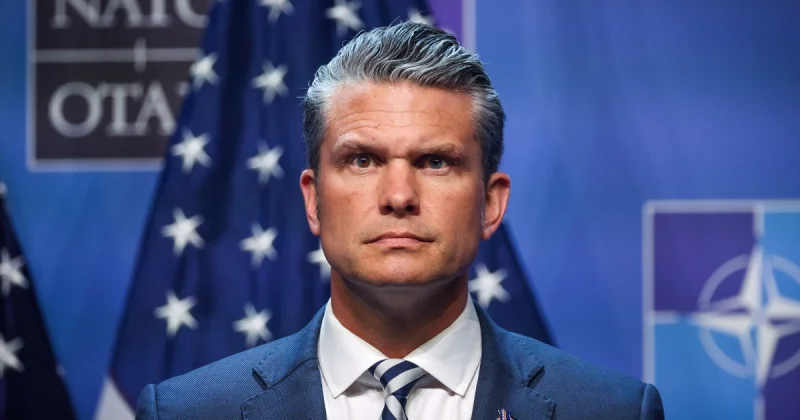
Pete Hegseth said Wednesday that the Department of Defense will begin offering testosterone deficiency screening for service members 30 and older, turning a hormone check into part of routine military health assessments. In a video posted to X, he said he was authorizing a new screening program and that warfighters should have the right testosterone levels to operate at their absolute best.
Under the plan, service members who are 30 and above would undergo annual tests, while those under 30 could opt in. Hegseth also said treatment, including testosterone replacement therapy, would be voluntary and aimed at restoring and optimizing natural capabilities. The announcement puts testosterone squarely inside the military readiness debate, with Hegseth framing the program as a way to support maximum psychological and mental readiness.

That message lands in a political moment when testosterone has become a louder talking point on the right. Robert F Kennedy Jr has spoken about injecting testosterone as part of his personal anti-ageing regimen, and in October he warned without evidence that today’s American teenagers have 50% of the testosterone of a 65-year-old man. Hegseth’s announcement also follows a broader push by the Trump administration against hormones in gender-affirming care, including testosterone and estrogen, which it has described as chemical and surgical mutilation.
The screening plan is likely to draw scrutiny because the American Urological Association says low testosterone should not be diagnosed on one test alone. The group says a single blood test can serve as a baseline for people who need further evaluation, but that diagnosis should rest on symptoms and two separate tests. Hegseth’s announcement did not explain how the Department of Defense would define testosterone deficiency for screening purposes, and it did not address the more than 231,000 women who serve on active duty in the US military.
What happens next is the part the announcement left open: when the screening program will start, how the tests will be used in practice, and whether the Department of Defense will narrow the plan after medical experts weigh in. For now, Hegseth has set the policy direction. The rollout details are still missing.
