


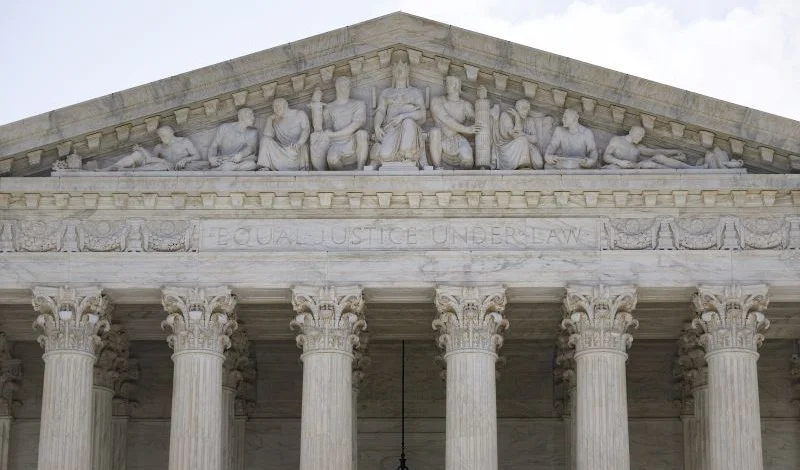
The Supreme Court on 29 June 2026 gave Donald Trump more power to remove leaders of independent federal agencies, a 6 to 3 ruling built around Rebecca Slaughter’s firing from the Federal Trade Commission. The decision widened presidential removal authority and pushed aside a 91-year-old precedent that had helped shield those agencies from direct political control.
Rebecca Slaughter has been living with this fight since March 2025, when she was helping with rehearsal for her child’s elementary school play and received the email telling her she had been fired. She called Alvaro Bedoya, who had been fired too, and the two filed suit a few days later. By then, the question was no longer whether she had lost her job. It was whether the court would let a president clear out officials appointed to serve fixed terms.

That is why the case drew so much attention. Trump had taken office again in January 2025, and the Trump administration quickly fired more than 50 officials from federal agencies. Slaughter had been appointed in 2018 to serve as a Democratic member of the Federal Trade Commission, and a federal judge reinstated her in July 2025 before the Trump administration appealed. In September 2025, the Supreme Court allowed Trump to remove her while the case continued and also agreed to hear it.
The ruling lands hardest on the idea that independent federal agencies can resist a president who wants more direct control. Slaughter has said she worried that agencies would be undermined if employees could be removed when a decision went against the president’s favor. She also said she was not going to cede to something she believed was wrong on law, policy and principle, even after the court allowed Trump to remove her. That insistence now reads less like defiance than a warning about what the court has made possible.
The broader consequence is plain. The court has increased the president’s authority over independent federal agencies, and that means the firing protections that once separated those agencies from the White House are weaker than they were before. The next question is not whether Rebecca Slaughter’s case mattered. It is how many other protected officials will now face the same pressure, with less legal cover than before.
