


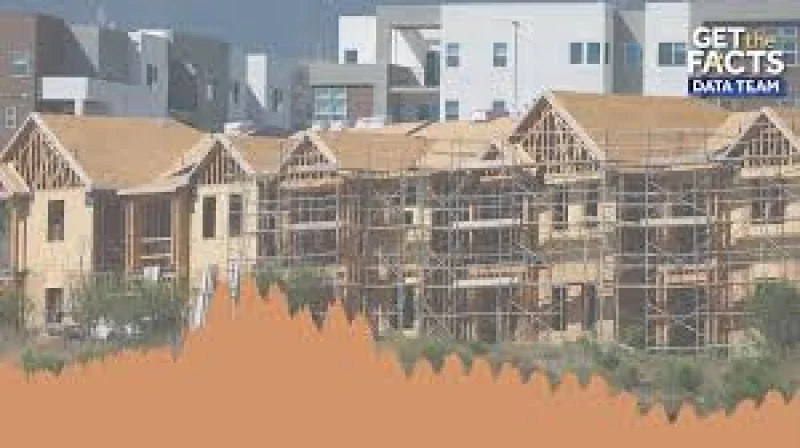
The median price of an existing U.S. home hit a record $440,660 in June 2026, extending a run of higher home prices to 36 straight months even as more would-be buyers were pushed out of the market.
The new high, reported on July 9, 2026, came only a week after lawmakers passed the 21st Century ROAD to Housing Act, a measure meant to help lower home prices. But the bill was still sitting in Washington, D.C., after President Trump canceled a planned signing ceremony in late June, leaving its fate unresolved even as prices kept climbing.
The June figure was up 1.8% from $432,700 a year earlier. Through the first half of 2026, seasonally adjusted sales of existing properties were up just 0.7% from the same period a year earlier, a sign that the market is still moving slowly even at record prices. Households now need annual income of roughly $117,000 to afford the average home, and fewer than 4 in 10 non-homeowner households can afford a typical starter home priced around $200,000.

That squeeze has been building for years. During the pandemic, the Federal Reserve cut interest rates to support the economy and home costs surged. Since 2022, mortgage rates have risen from those lows and the market has cooled, but prices never gave back much ground. The only major drop in home prices in the recent record came in 2008-09, when the housing crash helped trigger the financial crisis.
Economists and industry leaders say the problem is not a lack of demand so much as a lack of supply. Ershang Liang said, “Housing affordability remains low under slowing wage growth and stronger home price growth.” Lawrence Yun put it more bluntly: “Without a doubt, the affordability is a major challenge for people who want to become homeowners, which is the reason why we need more supply,”
Congress approved the housing measure in rare bipartisan support, and under the Constitution it could become law automatically if the president neither signs nor vetoes it within 10 days, not counting Sundays, while lawmakers are in session. That means the next move is not another market report but a White House decision that could determine whether the bill becomes law while home prices keep setting records.
