


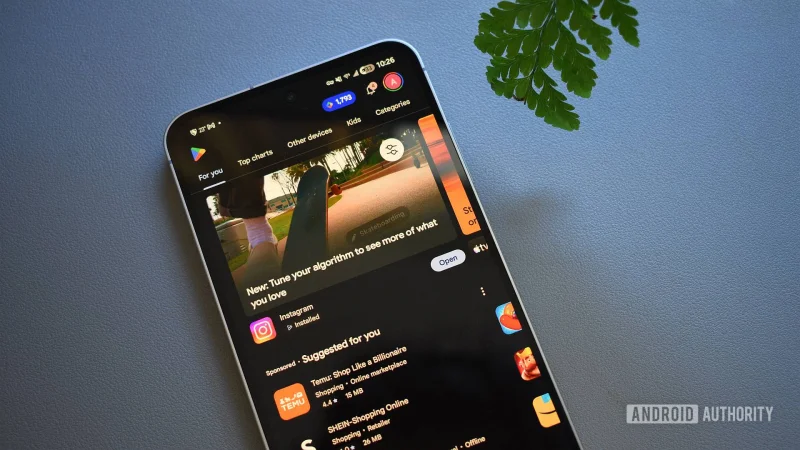
Aurora Store is winning attention because it gives Android users a way into the Google Play Store catalog without forcing a Google account sign-in. For people who want an open-source path to apps and games, that makes it feel less like a clone and more like the Play Store stripped down to the part many users actually want.
The draw is practical. The writer says Aurora Store is the Play Store without a Google account, and that it connects to the same app list while letting users choose which version of an app to install instead of automatically pushing the newest one. That matters now because Android users are still looking for a store that is fast, reliable and less tied to a single account system.
There is also a reason the name keeps surfacing among people who move between India and the U.K. The writer says they travel often, and that when they are in London they use apps such as Airalo and TikTok, two apps they cannot get in India through Aurora Store. For anyone trying to move between markets, that kind of access can matter more than the store interface itself.

What made Aurora Store especially useful, though, was not just the catalog. The writer valued its ability to spoof a device model and location, which helped fetch geo-restricted apps through the store. That is where the latest version creates friction: the newer release has lost that feature, so the easiest path is no longer the same one the writer relied on before.
There is still a workaround. The browser hand-off method can be used alongside anonymous login to reach geo-restricted apps through Aurora Store, but it is a narrower tool than full spoofing and does not erase the basic limits that come with app availability by region. In other words, it can open a door, but not every door, and it depends on the app and the rules around it.
That trade-off sits at the center of Aurora Store’s appeal. The Google Play Store remains the official route for Android devices, and downloading apps from random corners of the web is still a bad gamble because of malware and viruses. So the real choice for users is not between convenience and safety, but between the official store and a third-party option that offers more flexibility while giving up some of the old tricks that made it stand out.
The broader picture is simple. Aurora Store is older than SafeHaven, another Play Store alternative the writer covered before, and that history suggests it is not going away. What changes now is how much of its usefulness survives without spoofing, and whether the browser hand-off workaround is enough for the users who leaned on the older version for access that the standard store would not give them.
