


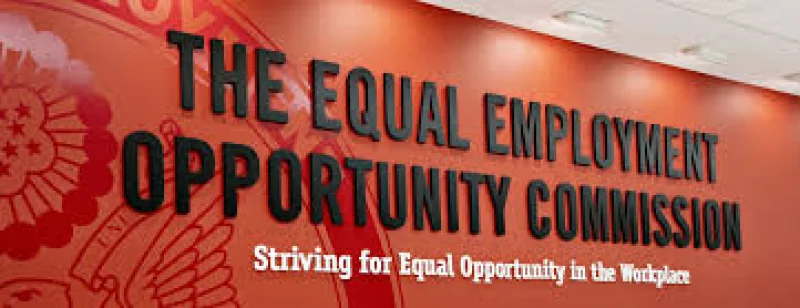
Jocelyn Samuels dropped her lawsuit on Monday challenging President Donald Trump’s decision to fire her from the Equal Employment Opportunity Commission, saying last week’s Supreme Court ruling left her without a viable path forward to keep contesting the dismissal.
The move closes one of the last direct legal challenges to Trump’s removal of two EEOC Democrats before their five-year terms ended. The commission now has two Republicans and one Democrat, while Trump has not yet nominated candidates for two open seats.
That makes the timing important. On Monday, the EEOC also released a regulatory agenda that includes proposals to end its annual collection of workplace demographic data and to rescind longstanding guidance warning that it may be discriminatory to require workers to use English only on the job. Those proposals would mark a sharp shift in how the agency polices workplace conduct if they are carried through.

The Supreme Court’s decision last week did not stop at the EEOC. It upheld Trump’s firing of the heads of independent agencies, except for the Federal Reserve, and jettisoned a 91-year-old decision that had limited when presidents can remove board members of those agencies. Samuels had argued that Congress designed EEOC commissioners to serve staggered terms to provide continuity, stability and insulation from political pressure, but the court’s ruling strengthened presidential removal power and narrowed the ground she could stand on.
Samuels did not say whether she will seek any other legal or administrative challenge. That leaves the outcome where the practical power now sits: with a commission created by Congress in the 1964 Civil Rights Act, but operating with a Republican majority and two empty seats as the White House has yet to move on replacements.
Andrea Lucas, who testified during a Senate Health, Education, Labor, and Pensions Committee hearing on June 18, 2025, applauded the Supreme Court’s ruling in a LinkedIn post last week. Her position now has more room to shape the agency’s direction, and Samuels’ exit removes the clearest test of how far the president’s removal power can reach inside the EEOC.
What remains is not the lawsuit, but the vacancy it leaves behind. If Trump fills the two open seats, the commission’s balance could shift again; until then, the agency is left moving ahead with policy proposals while one of the ousted commissioners says the court has made further resistance impossible.
