


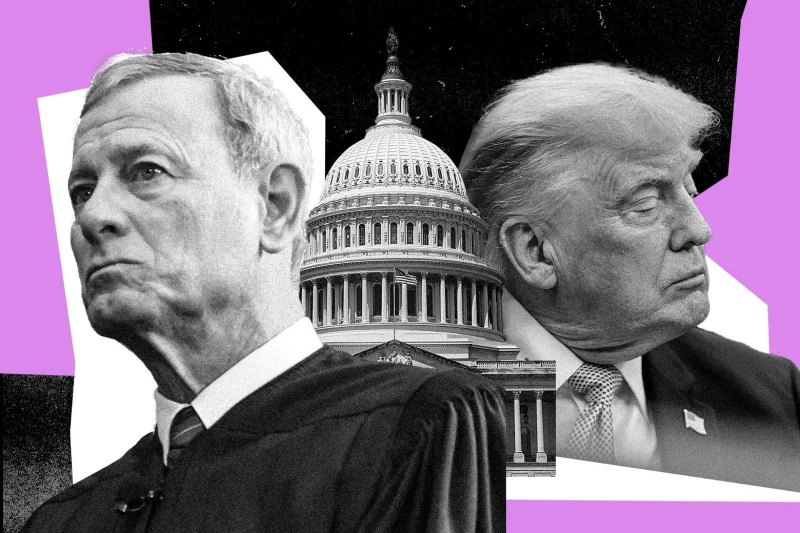
The Supreme Court has given presidents broad power to remove the heads of independent federal agencies, a ruling that could reshape how those bodies work almost immediately. In Trump v. Slaughter, Chief Justice John Roberts wrote for the 6–3 majority, while Justice Sonia Sotomayor warned the decision could put unprecedented and possibly dangerous power in one president’s hands.
The timing matters because the ruling lands after Donald Trump fired members of several independent agencies last year and left some of them without a quorum. That meant the National Labor Relations Board could not adjudicate certain union disputes, and the Merit Systems Protection Board could not issue final decisions for months, a reminder that control over these commissions is not an abstraction but a switch that can freeze government work.

For years, independent agencies were built to resist that kind of political whiplash. They are usually run by multimember commissions with staggered, time-limited terms, and the structure is meant to keep any one party from dominating. Incoming presidents can inherit holdover commissioners, then fill openings as they come up, while membership rules limit how many commissioners may come from one party. The Federal Vacancies Reform Act does not cover most of these multimember commissions, so the usual backup route for plugging a vacancy is missing.
That is why the ruling cuts two ways. It expands the president’s formal removal power, but it also strips away the incentives that made these agencies work in practice. If presidents now routinely remove commissioners from the other party, the Senate may not move quickly to confirm replacements, and some presidents could wind up with essentially no control over agencies inside their own executive branch. The legal rule is broader presidential authority; the operational result could be paralysis.
That friction is the part to watch now. The decision was announced last week, and its immediate test is not just whether presidents can fire more freely, but whether they can actually restore functioning leadership afterward. If vacancies linger and confirmation fights stall, the new power on paper may leave the next president with fewer levers, not more.
