


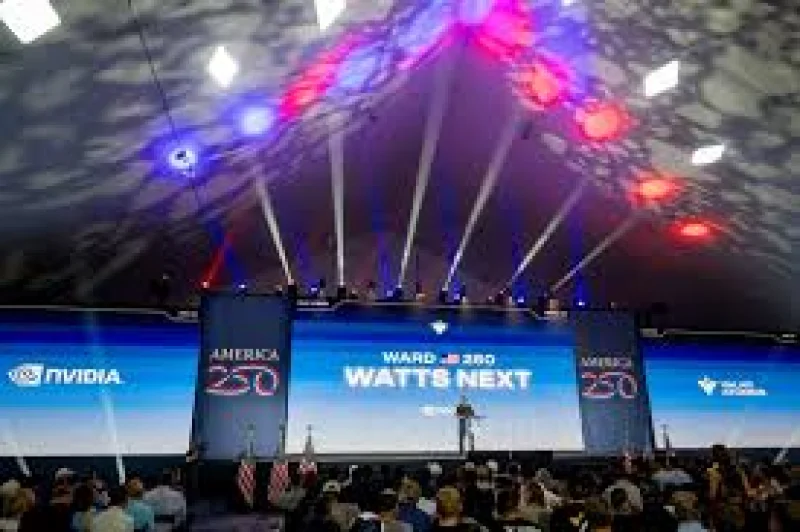
Valar Atomics said Wednesday afternoon that it is working with Nvidia to explore a 30 megawatt AI data center in Utah, a proposal that would be powered entirely by the startup’s own reactor and built around almost no water use. Isaiah Taylor brought employees, investors and government officials to the Orangeville site for the announcement, turning a local milestone into a pitch for how nuclear power and AI infrastructure might be tied together.
The project matters now because Valar Atomics is not talking about a distant concept. The company says its Ward250 reactor went critical on June 18 and is already generating 100 kilowatts of electricity, while the proposed data center would need far more than that to operate at full scale. Even so, the pitch is meant to show a path from a working reactor to a commercial AI facility, with the reactor’s helium cooling system and Nvidia’s new technology presented as a way to keep water use close to zero.

Taylor cast the company’s work as part of a broader industrial push, saying he started Valar Atomics in 2023 because he believed nuclear reactors should be built with more conviction. He also said government can help when it protects the public while allowing growth and innovation, and he called that an American tradition of solving hard problems. Valar Atomics broke ground in Orangeville, Utah, last September, and the company says the proposed data center would be 300 times smaller than the approved Stratos data center in Box Elder County.
The friction is simple. A reactor can be critical and still not legally supply commercial power at scale. Valar Atomics says the Nuclear Regulatory Commission will need to license the Ward250 before the company can generate power commercially, which leaves the announcement as an advance in planning rather than a green light for construction or operation of the data center. NRC chairman Ho Nieh has said the commission wants to shorten federal licensing review times to less than 18 months, but that timeline still sits outside the company’s control.
Max Ukropina said the partnership offers concrete reassurance for families in Orangeville and Emery County, promising high-skill jobs in reactor operations, data center engineering and advanced manufacturing while avoiding new demands on local water supplies. The question now is whether Valar Atomics can turn a reactor producing 100 kilowatts into a licensed commercial power source capable of supporting a 30 megawatt data center, and whether the collaboration with Nvidia becomes a buildout or stays a plan.
