


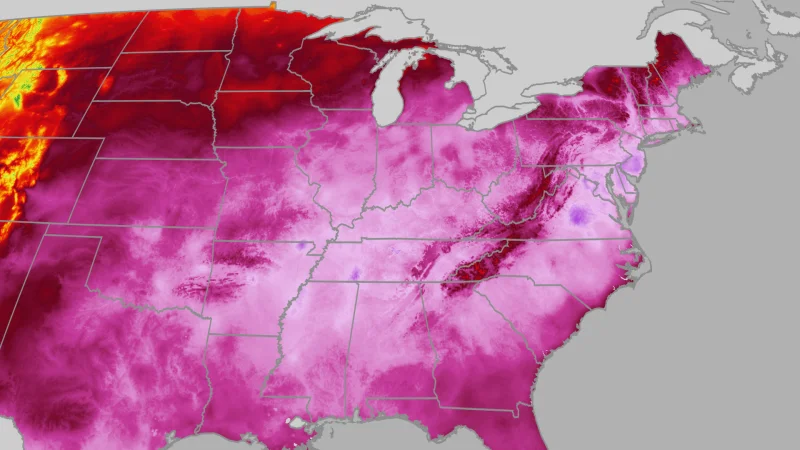
The U.S. Department of Energy ordered additional power plants online in the Mid-Atlantic this week as Heat Wave Weather pushed electricity demand higher across the July 4 holiday weekend.
The move came as cities across much of the eastern and central U.S. activated emergency plans, while more than 160 million people were already under Heat Alerts. In Washington, D.C., where four straight days of 100-degree temperatures were possible, Muriel Bowser urged people on Tuesday to begin limiting time outdoors.
The federal action was the clearest sign yet that the heat was straining systems built for a normal summer. The department’s emergency orders were meant to keep enough supply on the grid as temperatures climbed and holiday travel got underway.

That pressure showed up on the rails, too. On Thursday morning, as temperatures approached triple digits, Amtrak canceled several trains across the Northeast corridor and Virginia branches. New York City, Philadelphia, Washington, D.C. and Baltimore all had heat response plans in place, part of a wider scramble as record-breaking temperatures spread through major metro areas.
The heat is landing in a place where the calendar matters almost as much as the forecast. Washington, D.C. is a focal point for America 250 celebrations, yet the Great American State Fair is still scheduled on the National Mall through July 10, even as city leaders ask people to stay inside during the hottest hours. The city also said the Washington Metropolitan Area Transit Authority had treated over 6,000 feet of rail track with reflective white paint to help keep vulnerable sections from warping in extreme heat.
Baltimore took similar steps and then some. It declared an Extreme Heat Alert through Sunday, extended hours for city pools and opened community cooling centers. Washington, D.C. also issued an Extreme Heat Alert through Sunday morning, leaving both cities on edge as the holiday weekend unfolds.
For now, the response is clear: generate more power, slow travel where needed and keep people out of the worst heat. What no city can control is how long the heat wave weather lasts, and whether the grid, the trains and the holiday plans can hold if it lingers past the weekend.
