


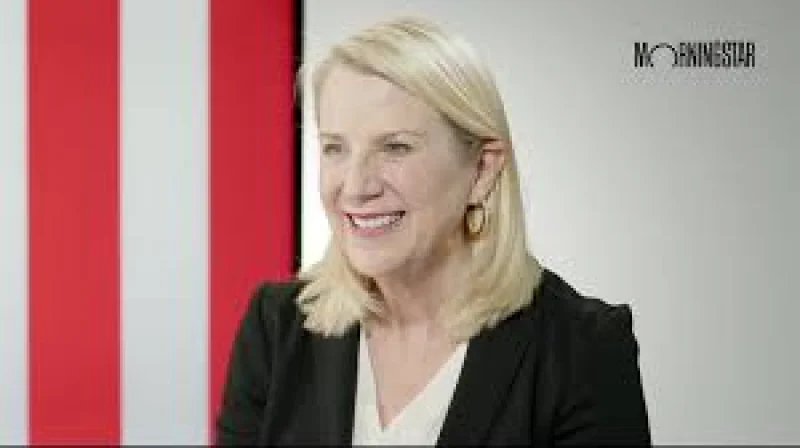
People within five to 10 years of retirement should stop thinking only about how much they have saved and start asking what kind of life they are saving for. Edward Jones Financial Advisor Natali Sanchez said the timing matters because the years just before retirement can shape income, coverage, and the freedom a person actually has once work ends.
That is why retirement planning is getting attention now. The closer someone gets to their target date, the more the details matter: Social Security can start at 62 at a reduced amount, full benefits arrive at 66 or 67 depending on birth year, and waiting until 70 can increase the benefit to the maximum. Medicare does not begin until 65, and penalty-free withdrawals from retirement accounts generally do not start until 59½, so an early exit can leave people with gaps if they stop working before those milestones line up.
Sanchez said saving for retirement is important, but it is only part of the picture. She urged people to think through five questions: when they want to retire, what they want to do with their time, where they want to live, how much they will need, and how they want to give back. She also said it helps to sketch out what a typical week, month, or first year might look like, because many new retirees are surprised that unlimited free time feels disorienting rather than freeing.

The location question carries its own weight. Retirement planning should account for whether a place will still work later in life, including proximity to family, access to health care, cost of living, and climate. The spending question matters just as much, because travel, entertainment, and leisure costs often end up higher than expected. That makes the rough estimate of retirement income more than a savings exercise; it becomes a way to test whether the life someone imagines can actually be supported.
There is also a family decision hidden inside the calendar. Couples may sometimes do better by staggering retirement dates, but in other cases retiring at the same time works better. The right answer depends on how income, benefits, and personal timing fit together, which is why an early retirement can look appealing while still requiring more savings and leaving longer stretches before benefits begin. The same math that makes an early exit sound simple can make it expensive.
Sanchez said retirement often brings both time and motivation to be more generous, whether that means helping family members, donating to charity, or volunteering in the community. Her closing point is plain: retirement planning should not stop at the account balance, because the real job is to match the money to the life that comes next. For people nearing those milestone ages, the next step is to revisit the plan as priorities evolve and make sure the timeline still fits the goals.
